
RANZCR Part 1 / the physics.
169 sourced study notes, one per curriculum learning objective, across Applied Imaging Technology and cross-sectional anatomy. AI grading for the AIT constructed-response questions, anatomy identification across all six body regions, an unlimited MCQ library, and 10,388 LO-aligned flashcards. Built for the two-paper Part 1.
Your PRIMEX account, now in your pocket.
Specialist unlocks every PRIMEX exam track. Accessible is limited to AMC and Medical Student. Subscribe on the website or in the iPhone app, then use the same account to keep your access and progress together.

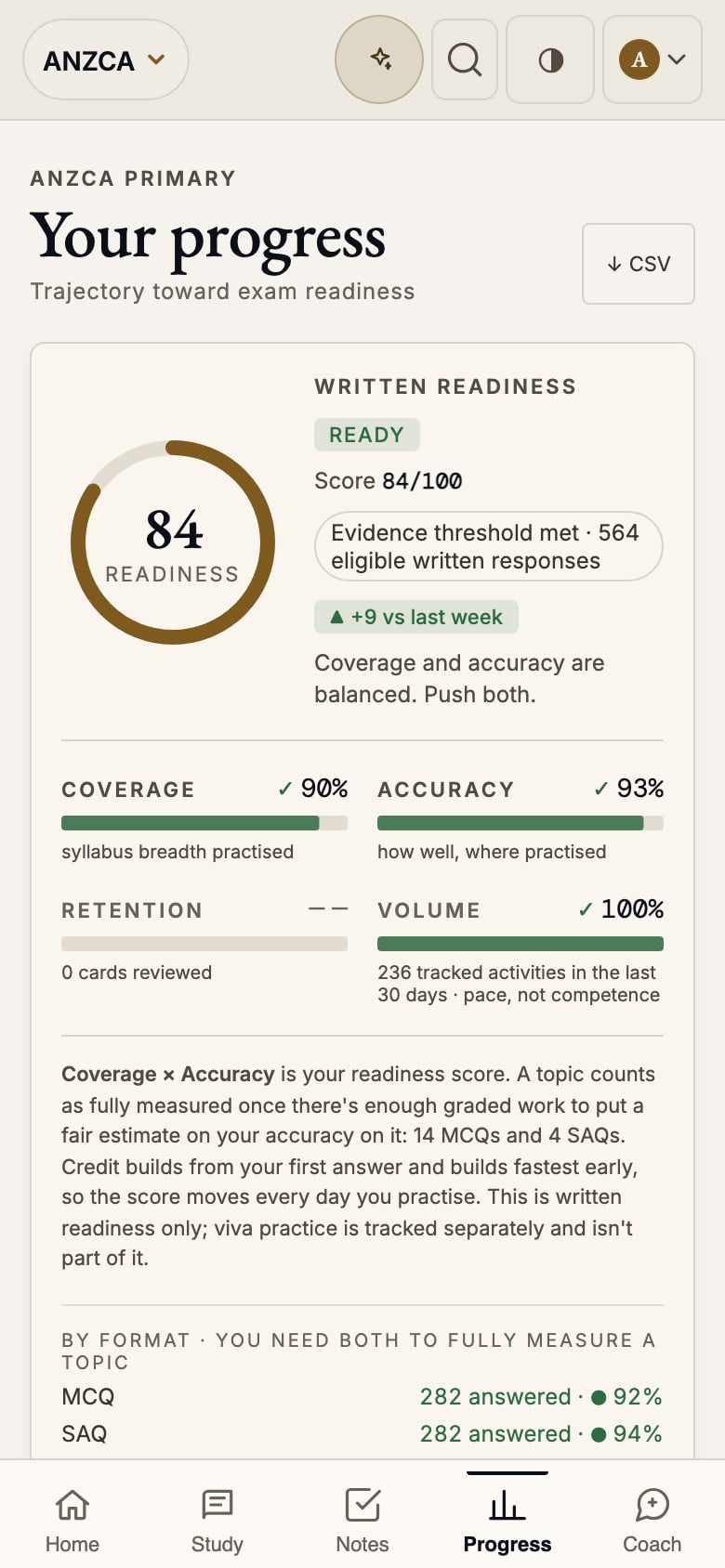
RANZCR Part 1 (Phase 1) Exam Dates 2026 & 2027
Published dates for the upcoming sittings. Always confirm against the official RANZCR examinations page before scheduling. I refresh this section quarterly as new windows are announced.
- Phase 1 Anatomy, Sitting 1Thu 9 Apr 2026 (online proctored)
- Phase 1 AIT, Sitting 1Fri 10 Apr 2026 (online proctored)
- Sitting 1 Results26 May 2026
- Phase 1 Anatomy, Sitting 2Thu 8 Oct 2026 (online proctored)
- Phase 1 AIT, Sitting 2Fri 9 Oct 2026 (online proctored)
- Sitting 2 Results24 Nov 2026
- Phase 1, 2027 Sitting 1Anatomy 8 Apr 2027, AIT 9 Apr 2027 (results 25 May 2027)
- Phase 1, 2027 Sitting 2Anatomy 7 Oct 2027, AIT 8 Oct 2027 (results 23 Nov 2027)
Sitting 1 applications close 2 Feb 2026; Sitting 2 close 27 Jul 2026. All Phase 1 written exams delivered online via the College's Practique platform.
Inside PRIMEX, in under a minute
Recorded in the app, with real RANZCR Part 1 questions and notes. No sound needed to follow it.
Topics tested in the RANZCR Part 1 exam
Practice on real radiology images
Used with permission from LearningRadiology.com. Every image links to its full teaching case. Tap to open.
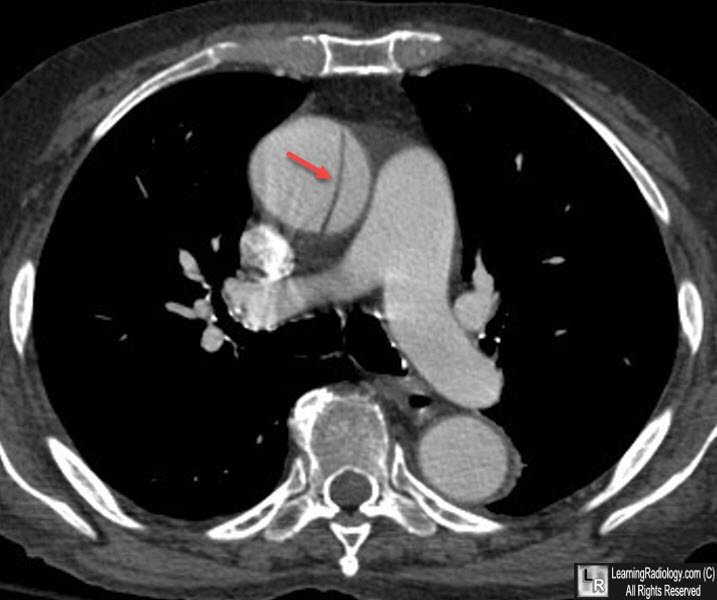 Aortic dissection (Stanford Type A)
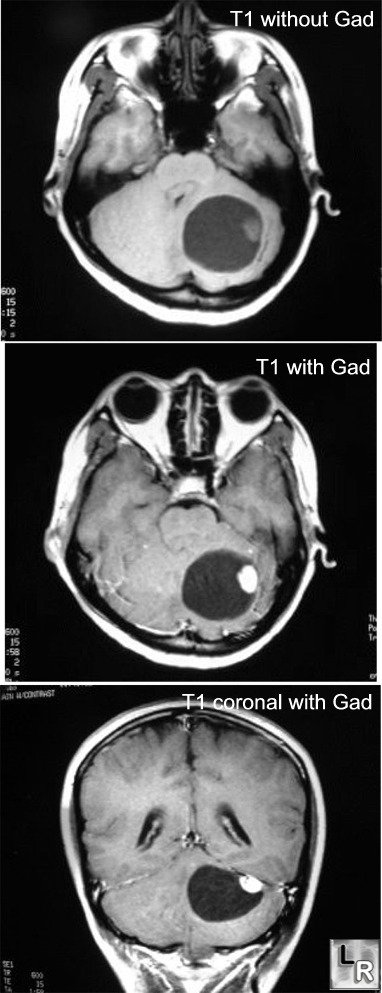 Cerebellar haemangioblastoma
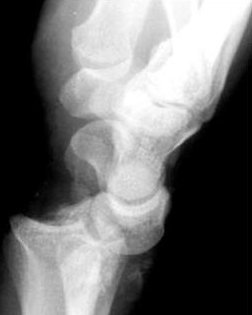 Barton fracture (volar shear of distal radius)
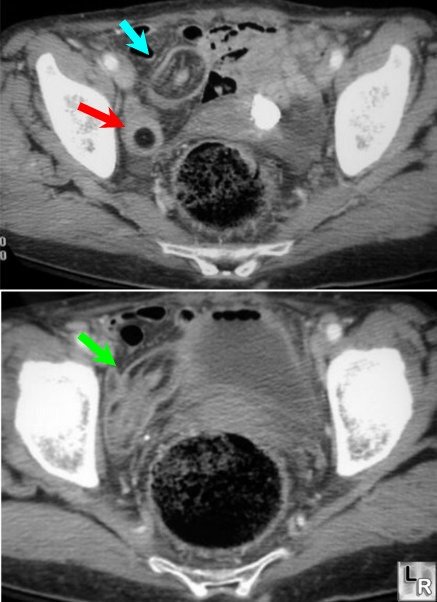 Intussusception (target sign)
How candidates prepare for the RANZCR Part 1
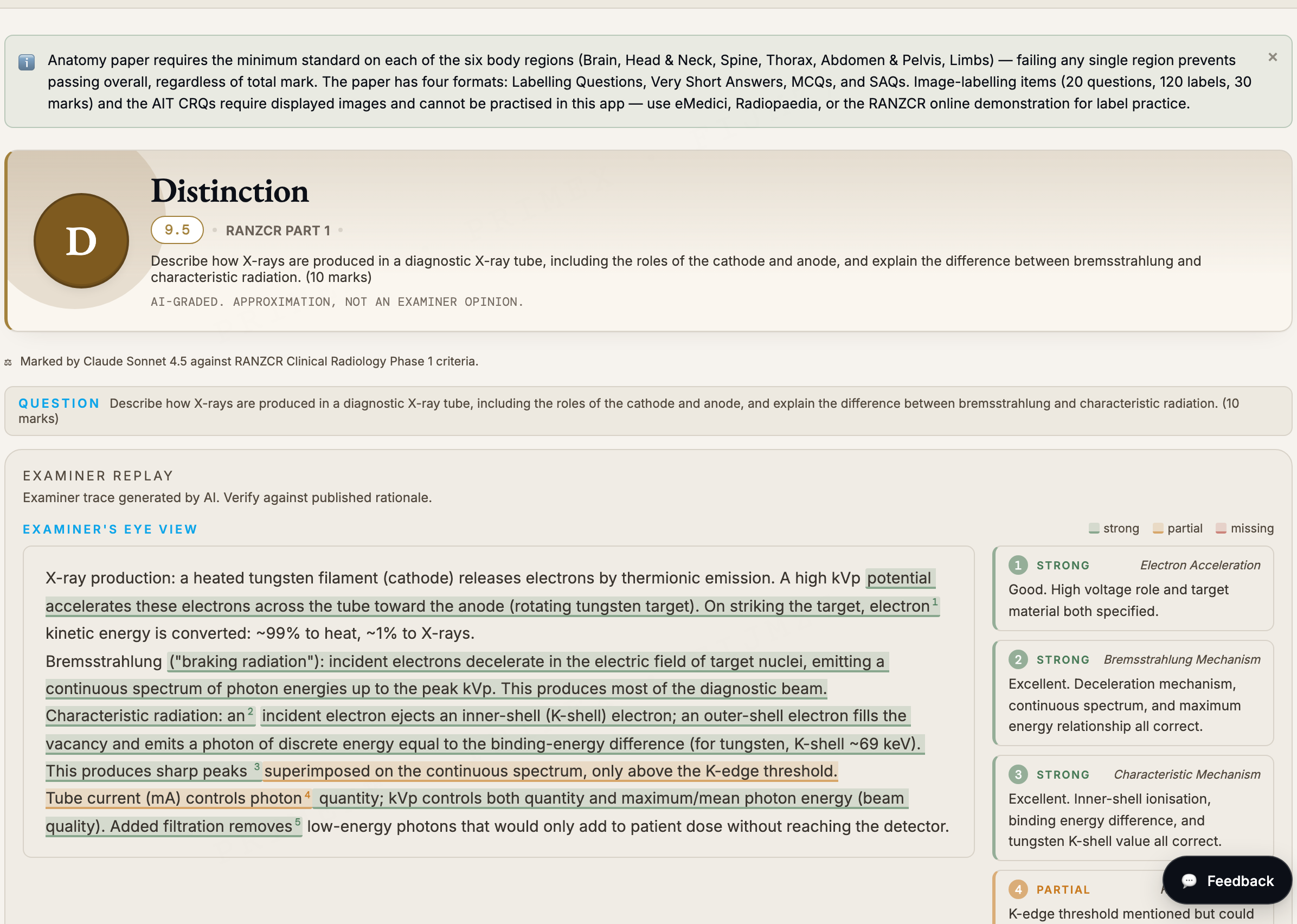
The RANZCR Part 1 Physics paper consists of 9 constructed-response questions, each worth 10 marks, plus 60 MCQs. PRIMEX grades your CRQ responses and calls out missing units, incorrect values, and missing mechanistic explanations; all recurring themes in RANZCR examiner reports.
- Constructed-response grading across all 9 physics paper topic types
- Unit and value checking; HVL, kVp ranges, CTDI, DLP, dose limits, frequency ranges
- Distractor explanation for MCQs; why each wrong answer is wrong
- Model distinction-pitched answer with specific values for every question
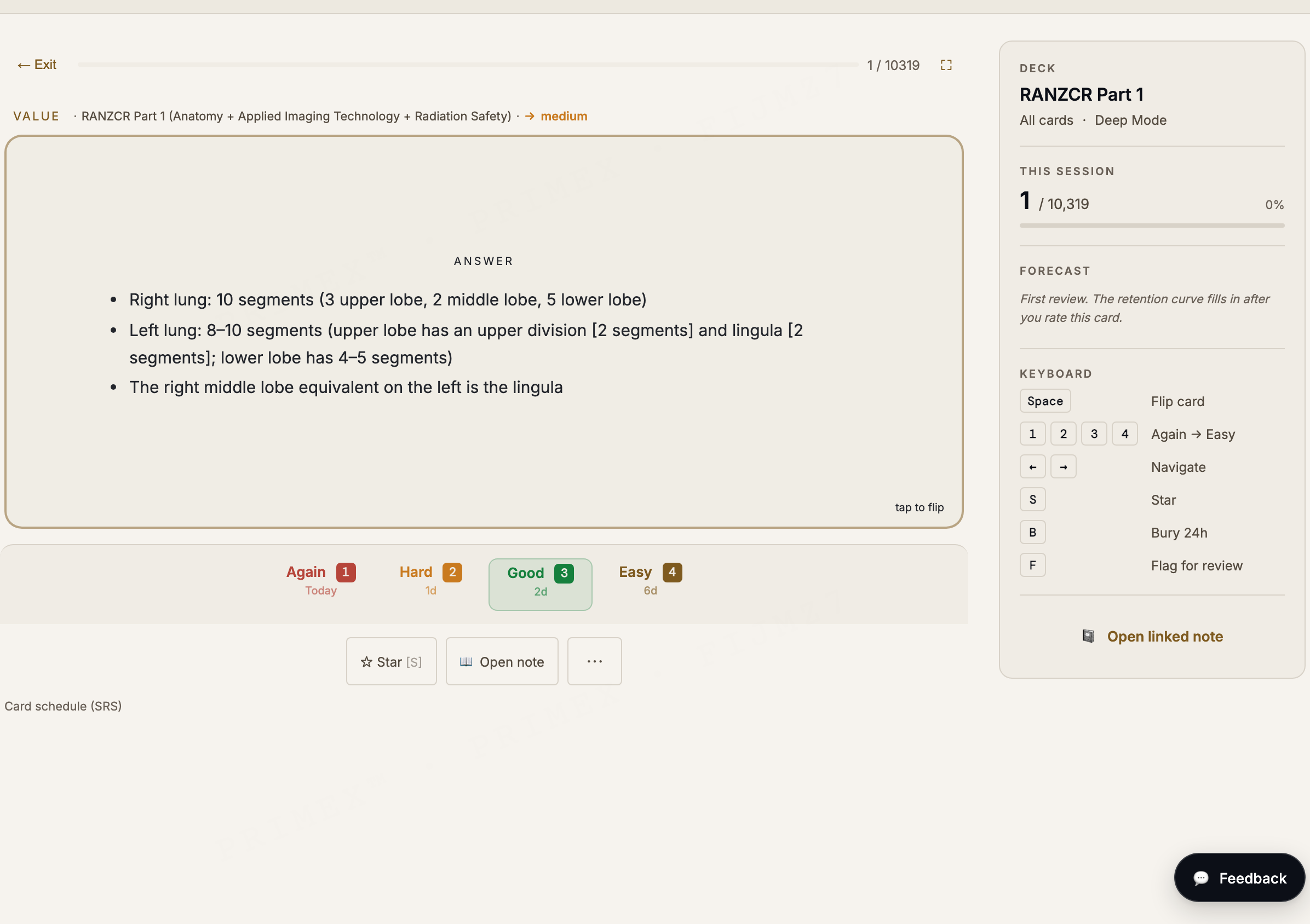
PRIMEX ships 10,388 active flashcards across 215 topics, mapped to the v1.3 RANZCR Part 1 learning objectives. SM-2-style spaced repetition with Again / Hard / Good / Easy review. Study notes, MCQ practice, AIT constructed-response grading, and anatomy identification practice are all live alongside.
- 10,388 cards across 215 topics, one card-set per learning objective
- AIT (HU ranges, CT dose descriptors, MRI sequence parameters, Doppler angles) plus anatomy nomenclature and imaging plane identification
- All modalities covered: CR, CT, MRI, US, nuclear medicine, PET, mammography
- Browse by category, by topic, or due-today queue; star to pin for later
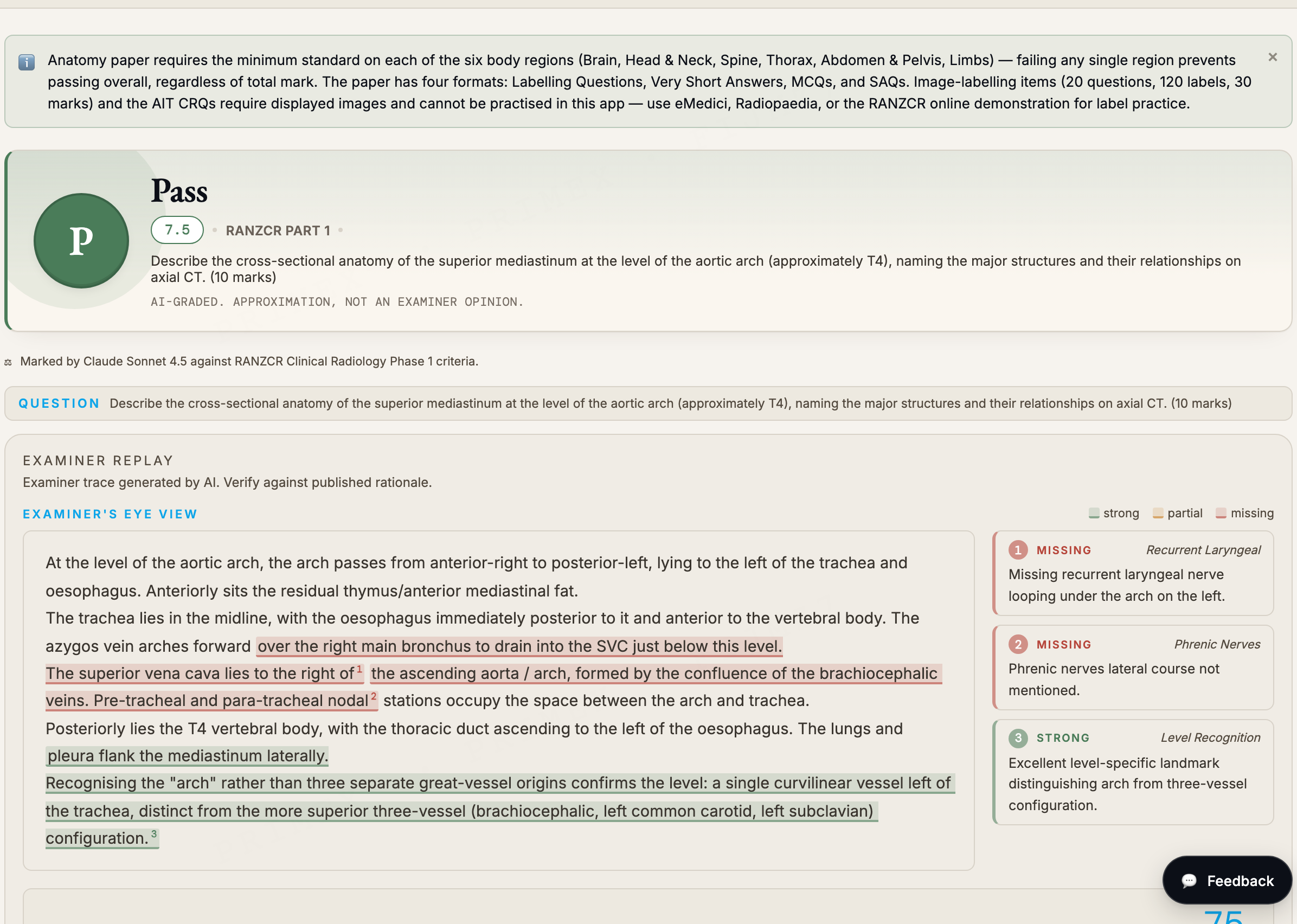
The RANZCR Part 1 Anatomy paper includes 120 image labels across 20 questions. PRIMEX's anatomy practice covers all six body regions (Brain 20%, Head/Neck 15%, Spine 10%, Thorax 15%, Abdomen/Pelvis 25%, Limbs 15%) using systematic identification questions that require precise anatomical nomenclature.
- All six anatomy body regions in proportion to the exam blueprint
- Systematic identification questions requiring precise nomenclature; not colloquial names
- Cross-sectional anatomy on CT, MRI, and plain film presentations
- VSA-style short-answer practice for the 30 very short answer questions
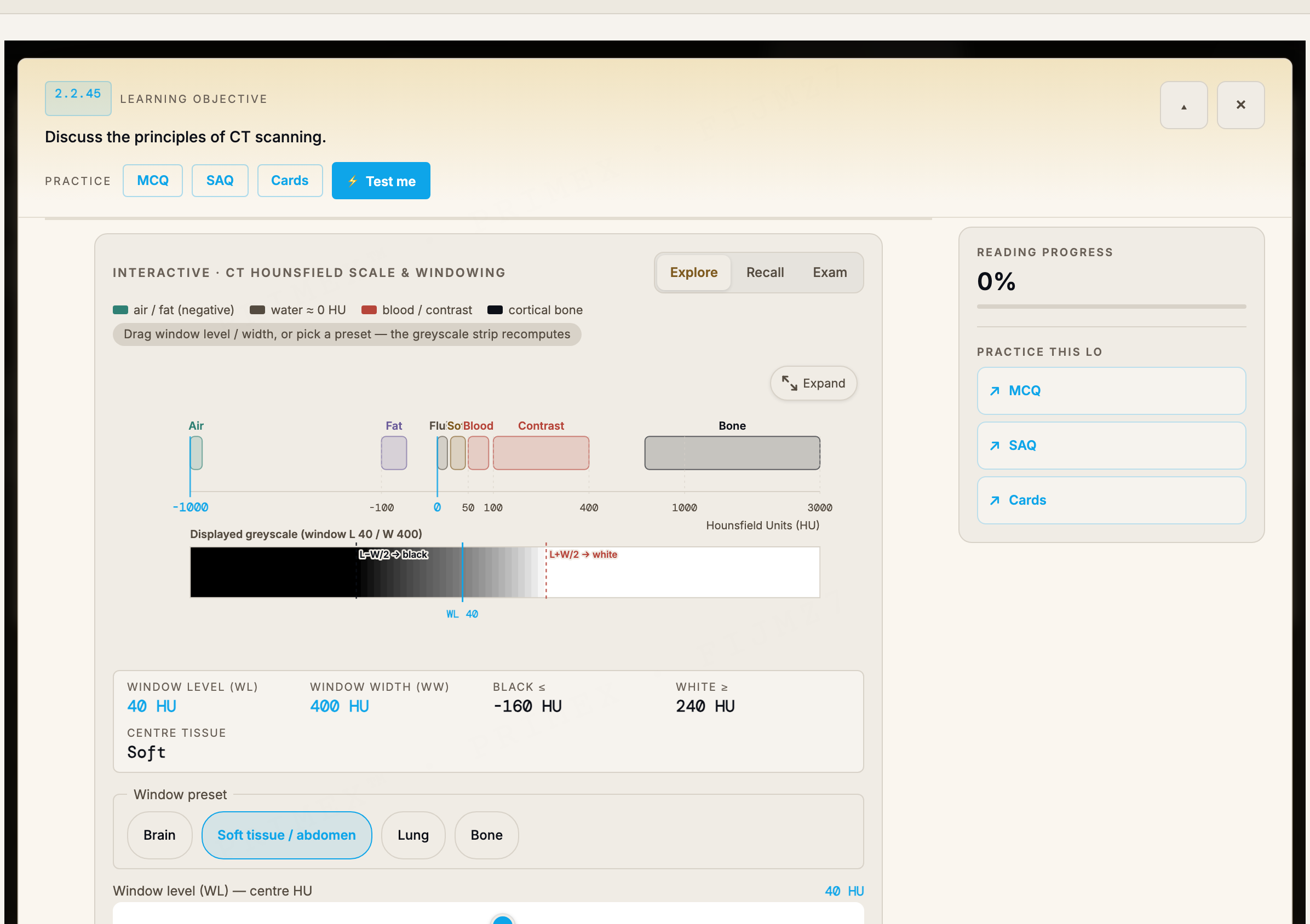
169 sourced study notes across the RANZCR Part 1 curriculum, one for every covered learning objective. Each follows a structured format covering physics principles, clinical application, image-quality trade-offs, and an exam-focus summary, mapped to its LO across the 9 curriculum sections.
- 169 study notes across all 9 curriculum sections, one per LO
- Physics notes include specific values, equations, and clinical context
- Anatomy notes include cross-sectional orientation, key landmarks, and normal variants
- Referenced to RANZCR position statements, Australian guidelines, and primary literature
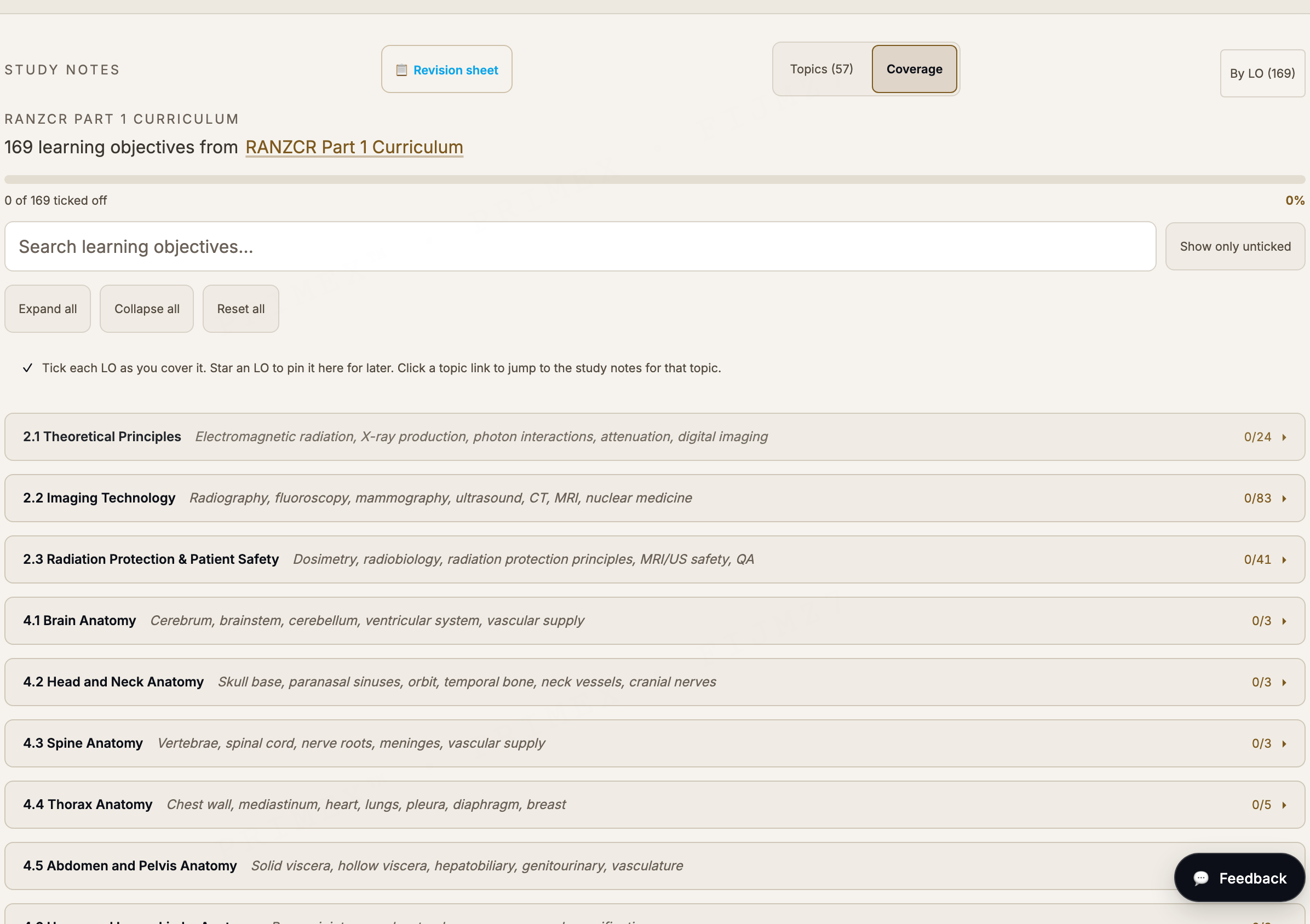
The RANZCR Clinical Radiology Learning Outcomes (Version 1.3, January 2024) define 169 LOs across 9 sections. PRIMEX's curriculum tab maps every LO to the study notes and flashcards that cover it, with section-by-section progress bars.
- All 169 RANZCR Phase 1 LOs mapped across 9 sections
- Checkbox completion persisted to localStorage
- Click any LO to jump directly to the relevant study note
- Separate progress tracking for Physics, Radiation Protection, and Anatomy sections
RANZCR Part 1 format and structure: Physics and Anatomy
The RANZCR Part 1 (Phase 1) examination must be completed before clinical radiology trainees progress to Phase 2 training. It consists of two separate written papers: an Applied Imaging Technology (Physics) Paper and a Cross-Sectional Anatomy Paper. Both papers are three hours and must be passed in the same sitting.
The Physics Paper contains 9 constructed-response questions (10 marks each) and 60 MCQs (1 mark each) for a total of 150 marks. The Anatomy Paper contains 120 image labels (20 questions × 6 labels), 30 very short answers (VSAs), 20 SAQs, and 60 MCQs. PRIMEX is built by Dr Jay Marshall, an anaesthetics registrar in Taree, NSW.
- OrganiserRoyal Australian and New Zealand College of Radiologists (RANZCR)
- Physics paper9 CRQs (10 marks each) + 60 MCQs (5-option A-E); 3 hours; 150 marks total
- Anatomy paper60 MCQs (5-option A-E) + 30 VSAs + 20 SAQs + 120 image labels (20 questions x 6 labels); 3 hours; 180 marks total
- Six body regionsThe Anatomy paper samples six body regions (Brain, Head & Neck, Spine, Thorax, Abdomen & Pelvis, Limbs). RANZCR publishes approximate topic-area weightings only, noting they may vary slightly between examinations.
- CurriculumRANZCR Clinical Radiology Learning Outcomes Version 1.3 (January 2024); 169 LOs across 9 sections
- Training pathwayRadiology SET programme; Part 1 must be passed before Phase 2 clinical training commences
- Anatomy scopeSix body regions; Brain 20%, Head/Neck 15%, Spine 10%, Thorax 15%, Abdomen/Pelvis 25%, Limbs 15%
Free notes are just the start.
Get 169 study notes, unlimited question practice and the full exam simulator. Free for 7 days, then from A$44.99/month.
Start free trial, 7 days free Cancel anytime · no commitmentCommon questions about the RANZCR Part 1 exam
Specialist pricing and 7-day free trial
Specialist unlocks every PRIMEX exam track: the specialist pathways, AMC and Medical Student. Every study tool is included, with no per-feature paywalls.
- ✓ Every exam track: specialist pathways, AMC & Medical Student
- ✓ Flashcards with spaced repetition & MCQ drill
- ✓ Study notes for every curriculum topic
- ✓ SAQ library & sessions
- ✓ Study plan with pace tracking
- ✓ Curriculum tracker & readiness insights
- ✓ Every exam track: specialist pathways, AMC & Medical Student
- ✓ Flashcards with spaced repetition & MCQ drill
- ✓ Study notes for every curriculum topic
- ✓ SAQ library & sessions
- ✓ Study plan with pace tracking
- ✓ Curriculum tracker & readiness insights
- ✓ Every exam track: specialist pathways, AMC & Medical Student
- ✓ Flashcards with spaced repetition & MCQ drill
- ✓ Study notes for every curriculum topic
- ✓ SAQ library & sessions
- ✓ Study plan with pace tracking
- ✓ Curriculum tracker & readiness insights
You'll land on a confirmation page. Tap the sign-up button (or sign in if you already have an account) and your subscription links automatically. If you close the page first, just use the same email when you sign up and it'll still link.