
RANZCR Part 2 / report it.
163 sourced study notes across the RANZCR Phase 2 curriculum (171 LOs, 7 clinical domains). A case-reporting grader with viva-level feedback, a seven-domain viva simulator with voice mode, and 10,614 LO-aligned flashcards. Built for the breadth the Part 2 exam demands.
Your PRIMEX account, now in your pocket.
Specialist unlocks every PRIMEX exam track. Accessible is limited to AMC and Medical Student. Subscribe on the website or in the iPhone app, then use the same account to keep your access and progress together.

RANZCR Part 2 (Phase 2) Exam Dates 2026 & 2027
Published dates for the upcoming sittings. Always confirm against the official RANZCR examinations page before scheduling. I refresh this section quarterly as new windows are announced.
- Phase 2 Pathology, Sitting 1Thu 29 Jan 2026 (Clifton venues)
- Phase 2 Radiology MCQ, Sitting 1Fri 30 Jan 2026
- Phase 2 Case Reporting, Sitting 1Fri 30 Jan 2026 (results 17 Mar 2026)
- Phase 2 OSCER, Sitting 12-3 Jun 2026 (Sydney, face-to-face; results 30 Jun 2026)
- Phase 2 Pathology, Sitting 2Thu 16 Jul 2026
- Phase 2 Radiology MCQ, Sitting 2Fri 17 Jul 2026
- Phase 2 Case Reporting, Sitting 2Fri 17 Jul 2026 (results 1 Sep 2026)
- Phase 2 OSCER, Sitting 29-13 Nov 2026 (Sydney, face-to-face; results 8 Dec 2026)
- Phase 2, 2027 Sitting 1Pathology 28 Jan, MCQ + Case Reporting 29 Jan; OSCER 31 May, 4 Jun
- Phase 2, 2027 Sitting 2Pathology 15 Jul, MCQ + Case Reporting 16 Jul; OSCER 8-12 Nov
Written exams at Clifton test centres across AU/NZ/Singapore; OSCER held face-to-face in Sydney. Sitting 1 written applications close 17 Nov 2025, OSCER apps close 23 Mar 2026; Sitting 2 written close 4 May, OSCER close 3 Aug.
Inside PRIMEX, in under a minute
Recorded in the app, with real RANZCR Part 2 questions and notes. No sound needed to follow it.
Topics tested in the RANZCR Part 2 exam
Practice on real radiology images
Used with permission from LearningRadiology.com. Every image links to its full teaching case. Tap to open.
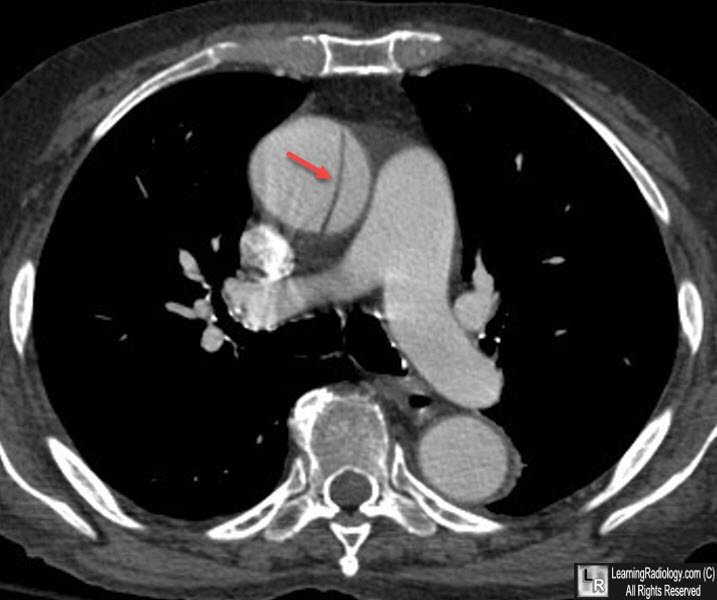 Aortic dissection (Stanford Type A)
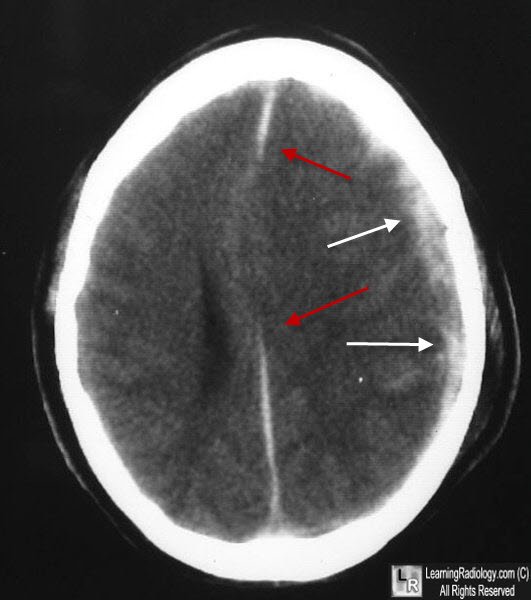 Acute subdural haematoma
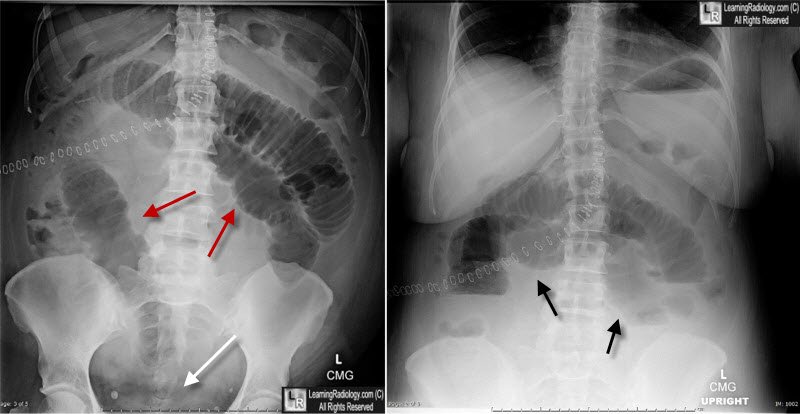 Small bowel obstruction
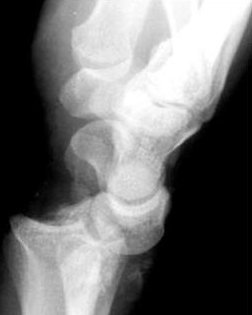 Barton fracture (volar shear of distal radius)
How candidates prepare for the RANZCR Part 2
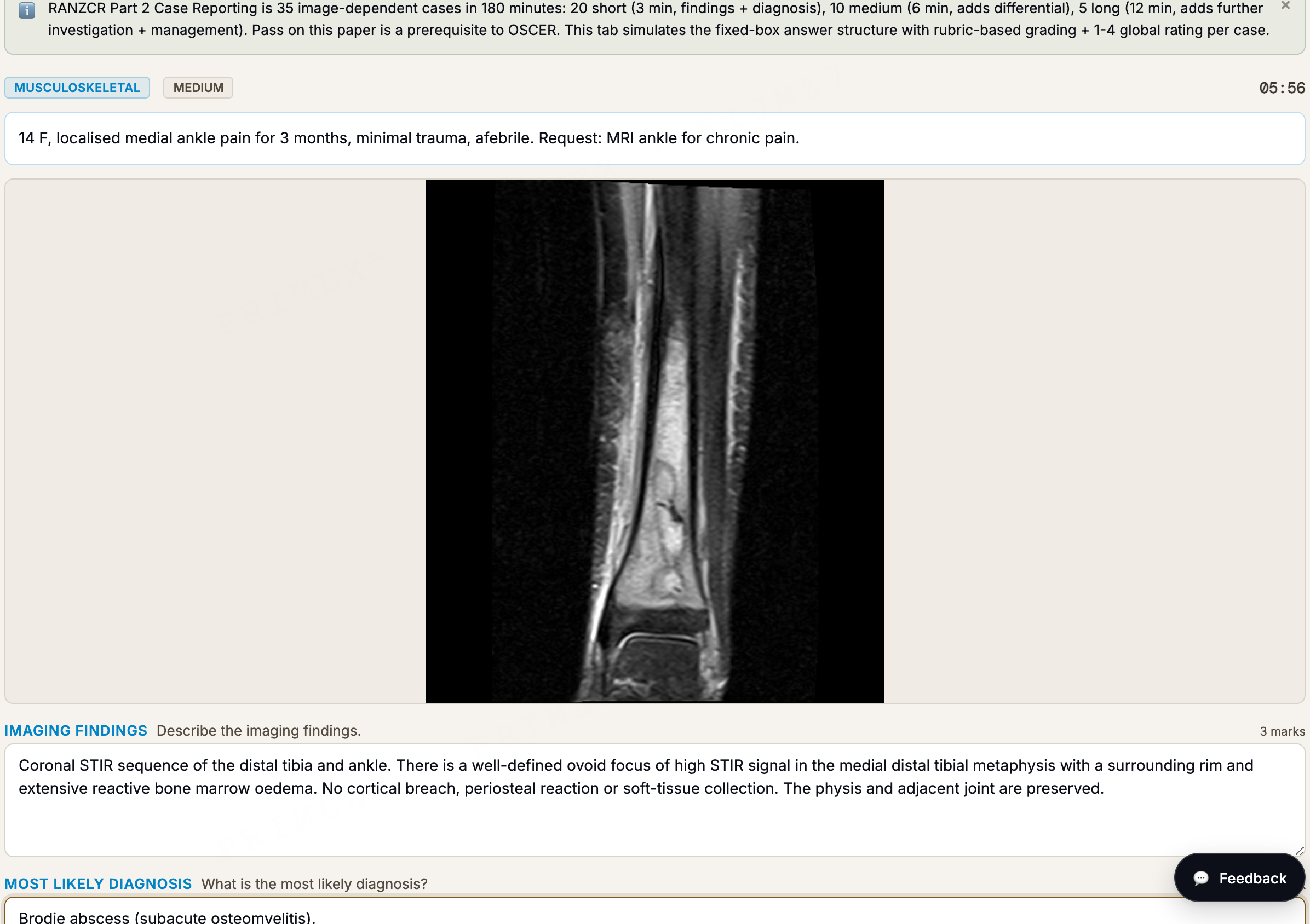
The RANZCR Part 2 Case Reporting paper presents 35 radiology cases across all seven domains in 3 hours. PRIMEX grades your reports for systematic structure, correct pathology identification, and appropriate management recommendations; the three dimensions RANZCR viva examiners probe when following up on case reporting results.
- Systematic report structure grading: observation → interpretation → differential → management
- Pathology identification across all 7 domains including cross-modality cases
- Missing key findings flagged with examiner-style feedback
- Linked to study notes for immediate consolidation of missed pathology
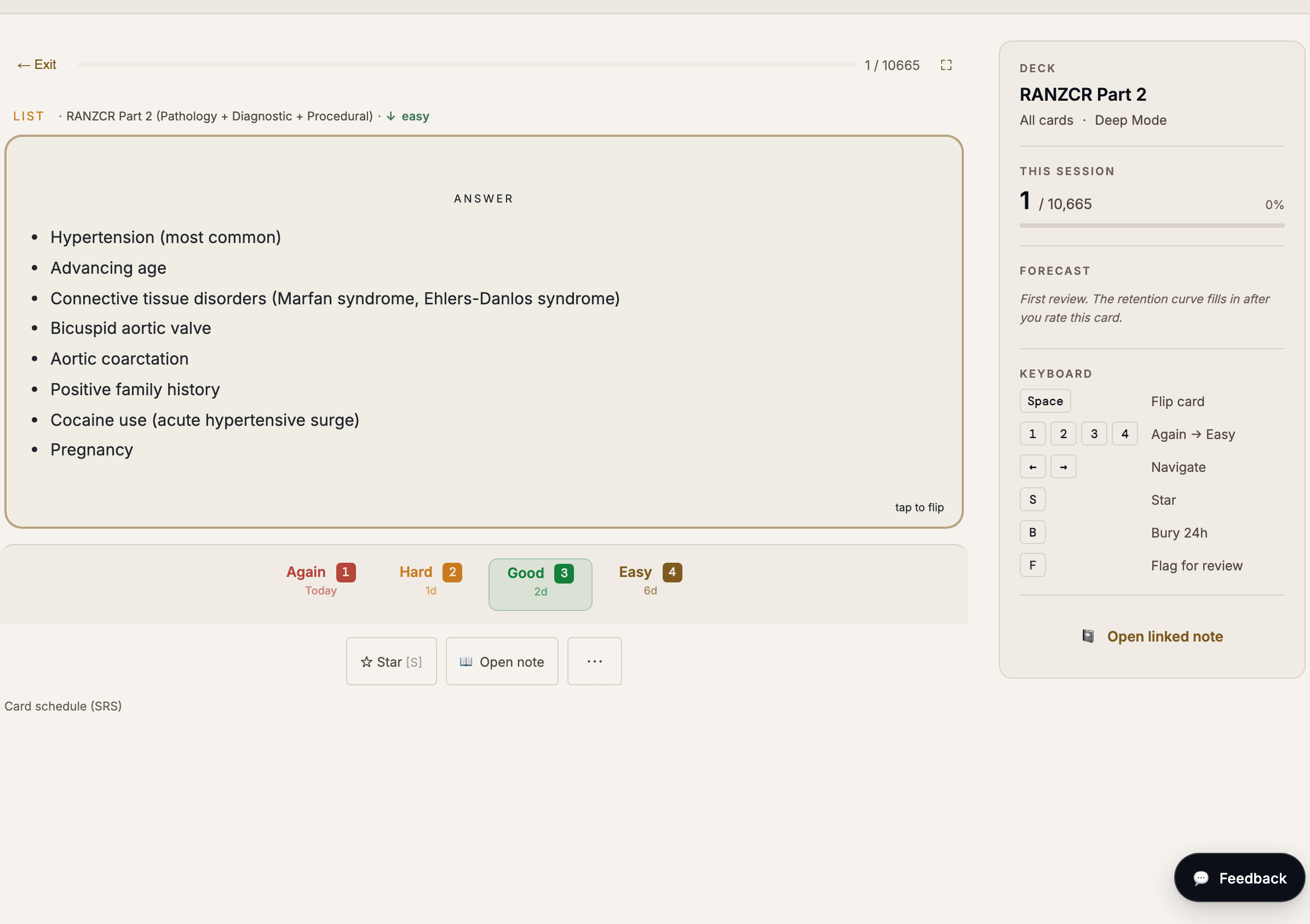
PRIMEX ships 10,614 active flashcards across the 7 OSCER domains, mapped to the RANZCR Part 2 learning objectives. SM-2-style spaced repetition. Study notes, MCQ practice, case-reporting grading, and the seven-domain OSCER simulator are all live alongside.
- 10,614 cards across all 7 OSCER domains (Thoracic/CV, Neuro/H&N, Abdominal, MSK, Breast, O&G, Paediatrics)
- Staging and classification criteria covered: Fleischner, Bosniak, PI-RADS, BI-RADS, LI-RADS, TI-RADS, O-RADS, RECIST, Lugano
- One click from card to the full LO study note
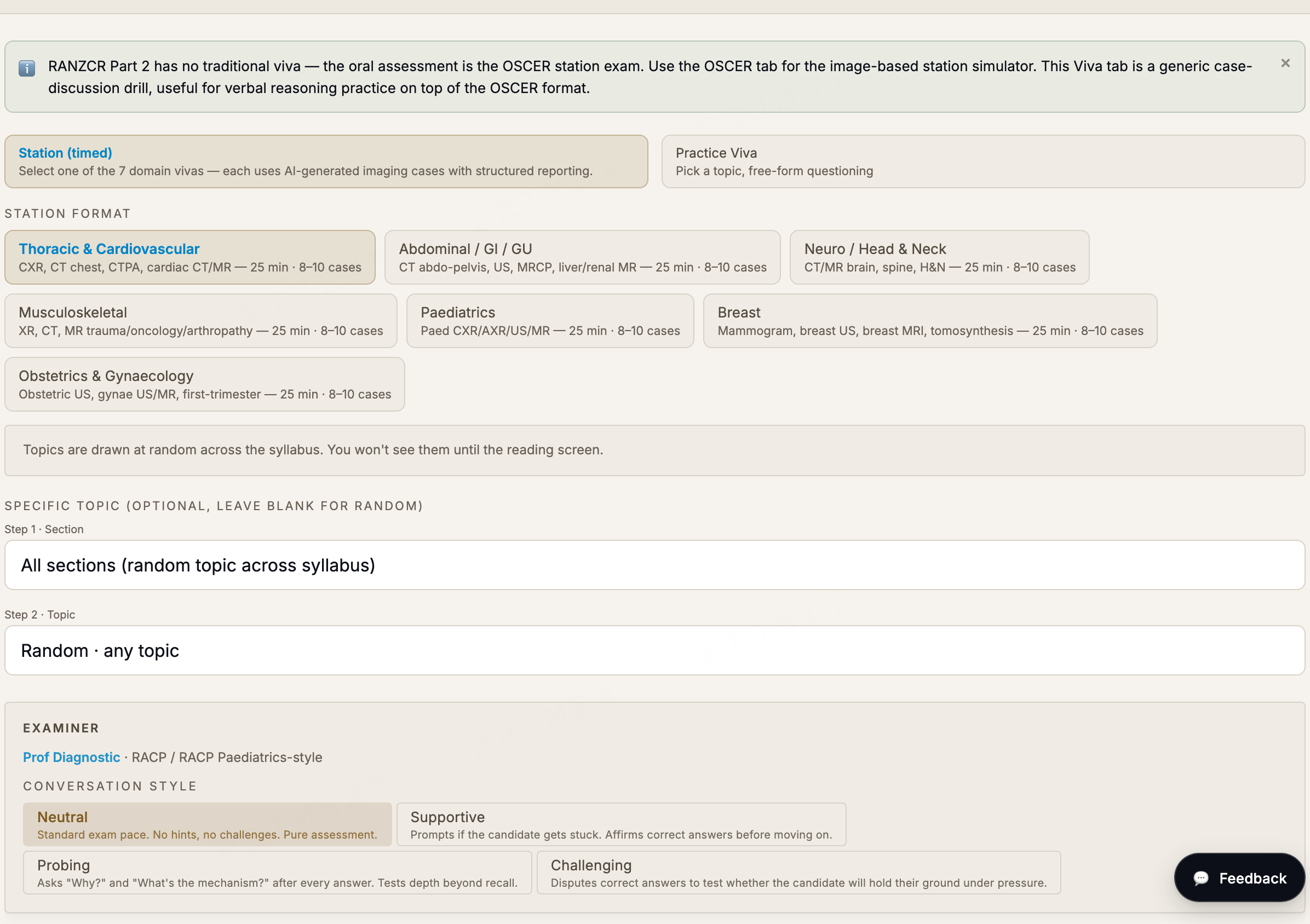
The RANZCR Part 2 Viva consists of 7 domain stations, each 25 minutes with 8-10 cases. Each station has two examiners. PRIMEX simulates all 7 domains with AI examiners who present radiology cases, ask for systematic interpretation, and probe clinical management; with voice mode for authentic viva practice.
- All 7 OSCER domains: Thoracic/CV, Neuroradiology/H&N, Abdominal, MSK, Breast, O&G, Paediatrics
- Case-based questioning: "Describe what you see, give me a differential, and tell me what you would recommend"
- Examiner probes push from observations to diagnosis to management to follow-up
- Voice mode for authentic spoken viva rehearsal
Work through a full mock viva out loud with this college's AI examiner, in real time. Answer by voice, get probed and interrupted like you would in the real viva, then step out to a graded debrief: how you performed on the station, the topics you covered, your strengths and gaps, and how you handled the pressure. Every mock viva feeds your weak-topic plan, so what to practise next is always clear.
- Real-time spoken viva in this college's examiner voice, fully interruptible
- Graded debrief on every station: your performance tier, the topics you covered, and the gaps to close
- Communication and composure feedback: pacing, hesitation, clarity under pressure
- Weak topics flow straight into your study plan and daily practice
- Part of PRIMEX Pro, with monthly mock vivas included
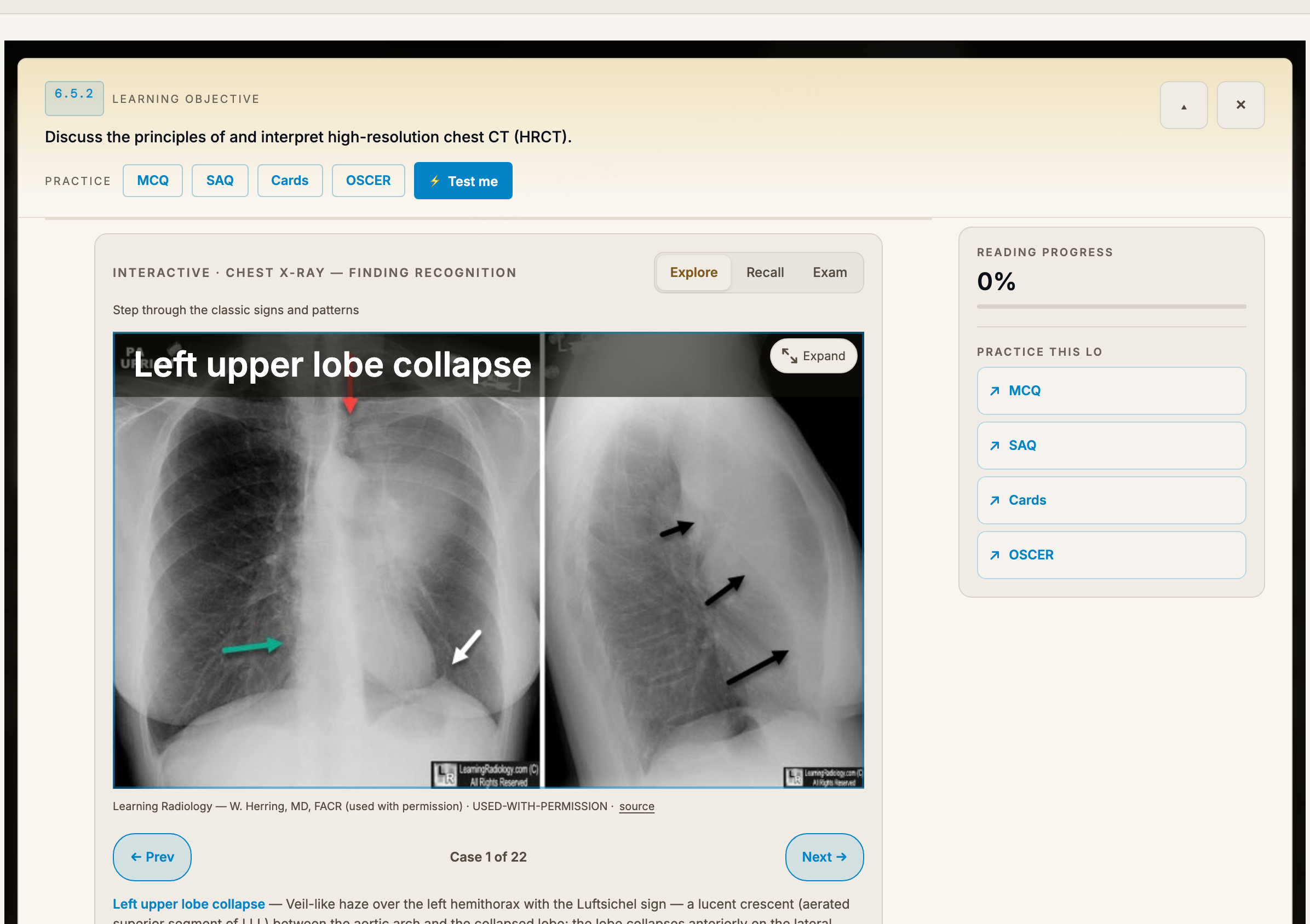
163 sourced study notes across the Phase 2 curriculum, one for every covered learning objective. Each follows a structured reporting framework: radiological features, differential diagnosis, key distinguishing features, and management implications, plus the reporting pearls examiners expect. Not just pattern recognition, but clinical integration.
- 163 study notes, one per covered LO, across all 7 Phase 2 domains and the pathology and case-reporting papers
- Systematic reporting framework in every note: features → differential → distinguishing points → management
- Staging and classification criteria with specific thresholds (LI-RADS, BI-RADS, TIRADS, Fleischner, Bosniak, PI-RADS)
- References to ACR guidelines, RANZCR position statements, and landmark oncology staging systems
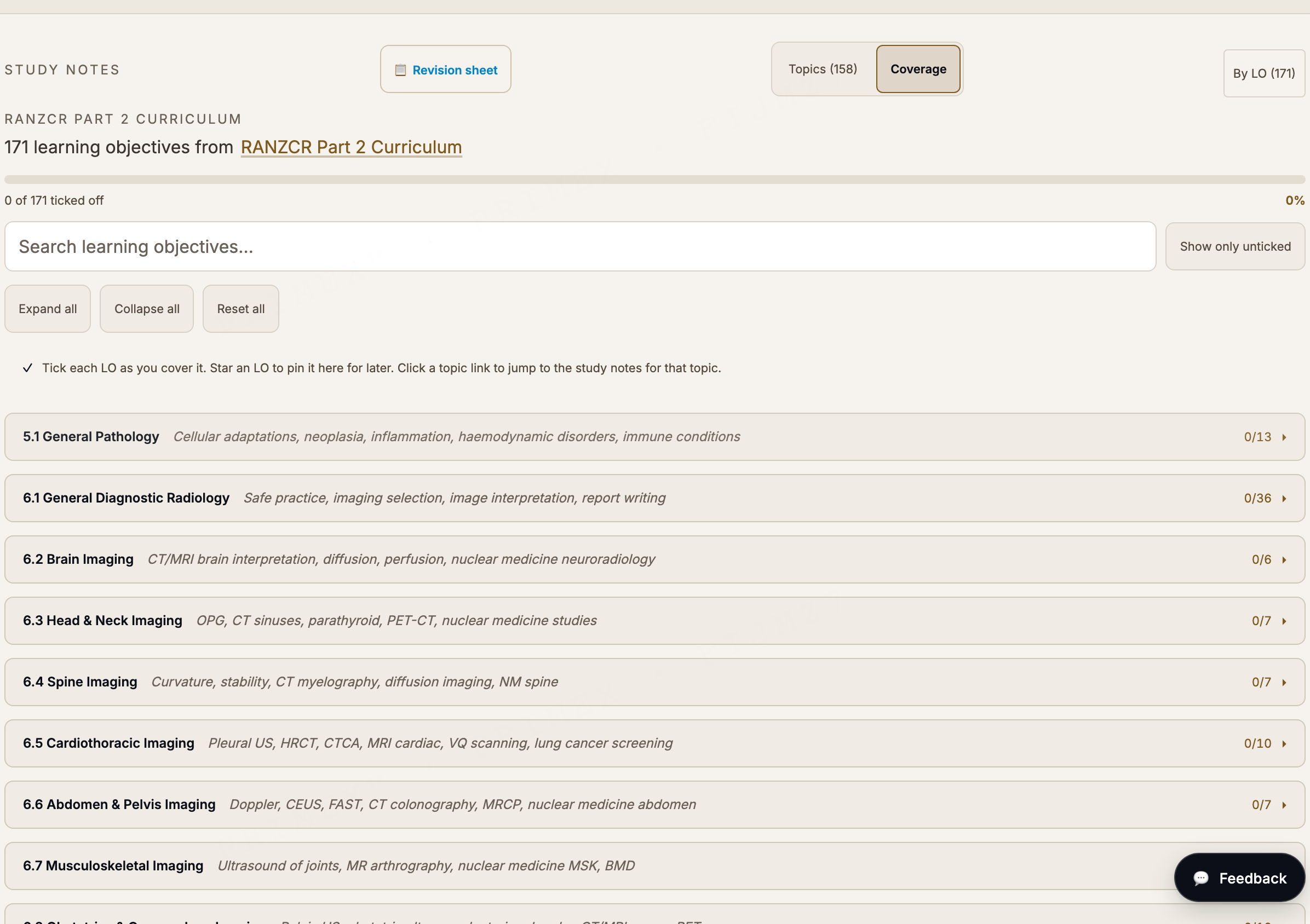
The RANZCR Phase 2 curriculum maps 171 LOs across clinical radiology domains. PRIMEX's curriculum tab maps every LO to the study notes and flashcards that cover it, with per-domain progress bars so you know which viva station needs more preparation.
- All 171 RANZCR Phase 2 LOs mapped across 7 clinical domains
- Checkbox completion persisted to localStorage across sessions
- Click any LO to jump directly to the relevant study note
- Per-domain progress bars showing viva station readiness at a glance
RANZCR Part 2 format and structure: written and viva
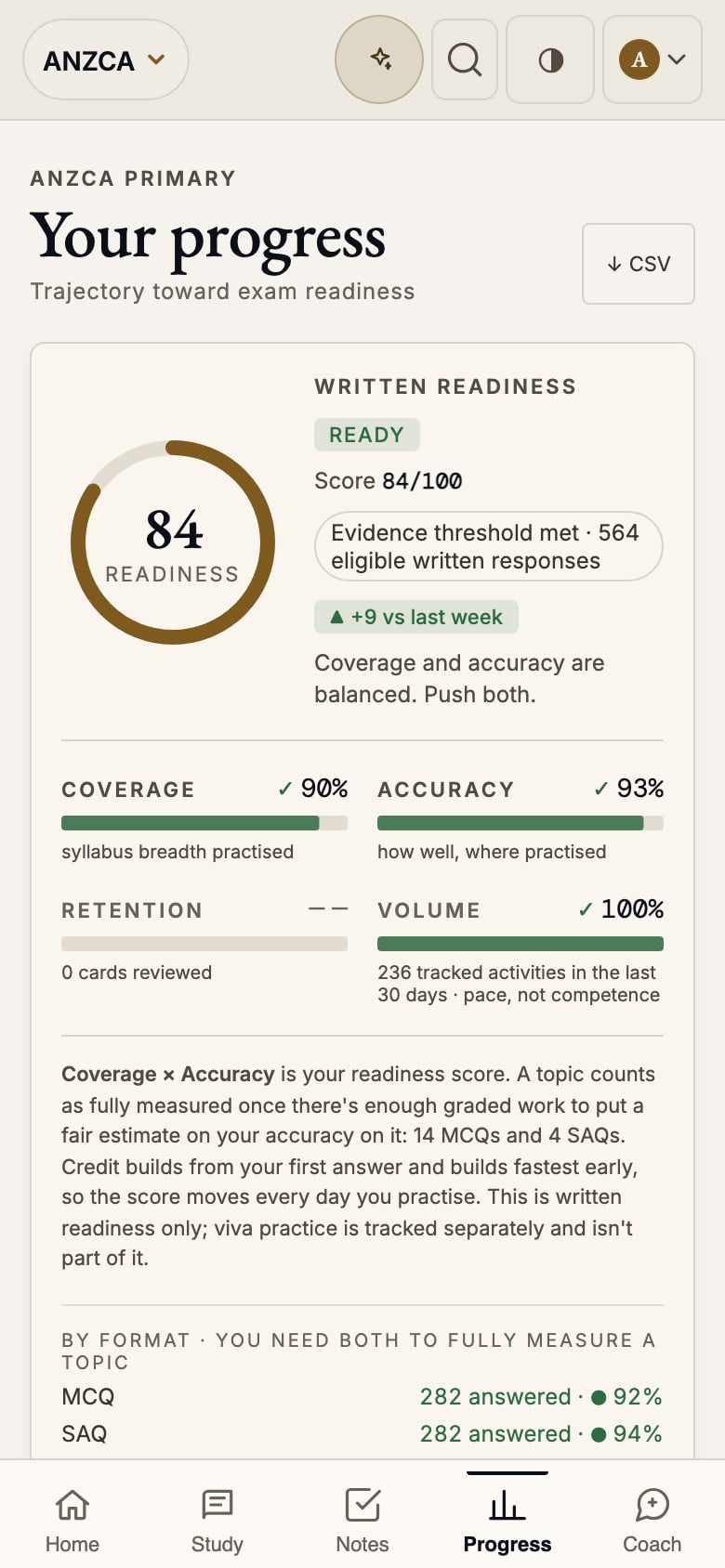
The RANZCR Part 2 (Phase 2) examination is the final fellowship hurdle for clinical radiology trainees in Australia and New Zealand. It follows completion of Phase 1 and the required clinical training years. The examination has four components: a Pathology Written Paper (100 MCQ + 10 SAQ, 3 hrs), a Radiology MCQ Paper (100 MCQ, 2 hrs), a Case Reporting Examination (35 image-based cases, 3 hrs), and the OSCER (7 stations across 2 days). All three written papers must pass before candidates may sit the OSCER. The Case Reporting and OSCER components are image-dependent and require external image platforms for preparation; PRIMEX covers the text-based written knowledge components.
The OSCER consists of seven 25-minute stations across 2 days, covering Thoracic and Cardiovascular, Neuroradiology and Head and Neck, Abdominal, Musculoskeletal, Breast, Obstetrics and Gynaecology, and Paediatrics. Each station has approximately 8 cases (10 marks each) assessed by two examiners. All 7 stations must pass independently; if 1 to 2 stations fail, only those need resitting at the next sitting. PRIMEX is built by Dr Jay Marshall, an anaesthetics registrar in Taree, NSW.
- OrganiserRoyal Australian and New Zealand College of Radiologists (RANZCR)
- Pathology paper100 MCQ + 10 SAQ (PMQs embedded since 2024); 3 hours; basic pathology sciences relevant to clinical radiology
- Radiology MCQ paper100 single-best-answer MCQs; 2 hours; core and advanced diagnostic radiology knowledge
- Case Reporting35 image-based cases (20 short, 10 medium, 5 long); 3 hours; entirely image-dependent
- OSCER7 stations x 25 min across 2 days; ~8 cases per station; 2 examiners; domains: Thoracic/CV, Neuro/H&N, Abdominal, MSK, Breast, O&G, Paediatrics
- CurriculumRANZCR Clinical Radiology Learning Outcomes v1.3 (January 2024); 171 Phase 2 LOs
- Training pathwayCompletion of Phase 1 + years 2-5 of Radiology SET training; typically sat in final training year
Free notes are just the start.
Get 163 study notes, unlimited question practice and the full exam simulator. Free for 7 days, then from A$44.99/month.
Start free trial, 7 days free Cancel anytime · no commitmentCommon questions about the RANZCR Part 2 exam
Specialist pricing and 7-day free trial
Specialist unlocks every PRIMEX exam track: the specialist pathways, AMC and Medical Student. Every study tool is included, with no per-feature paywalls.
- ✓ Every exam track: specialist pathways, AMC & Medical Student
- ✓ Flashcards with spaced repetition & MCQ drill
- ✓ Study notes for every curriculum topic
- ✓ SAQ library & sessions
- ✓ Study plan with pace tracking
- ✓ Curriculum tracker & readiness insights
- ✓ Every exam track: specialist pathways, AMC & Medical Student
- ✓ Flashcards with spaced repetition & MCQ drill
- ✓ Study notes for every curriculum topic
- ✓ SAQ library & sessions
- ✓ Study plan with pace tracking
- ✓ Curriculum tracker & readiness insights
- ✓ Every exam track: specialist pathways, AMC & Medical Student
- ✓ Flashcards with spaced repetition & MCQ drill
- ✓ Study notes for every curriculum topic
- ✓ SAQ library & sessions
- ✓ Study plan with pace tracking
- ✓ Curriculum tracker & readiness insights
You'll land on a confirmation page. Tap the sign-up button (or sign in if you already have an account) and your subscription links automatically. If you close the page first, just use the same email when you sign up and it'll still link.