
RACP Adult Medicine Written
ready.
317 sourced study notes and 5,835 spaced-repetition flashcards across all 16 internal medicine disciplines. DWE-format MCQ practice with full explanations, plus a long case and short case simulator with voice mode. Built around the breadth of the BPT curriculum.
Your PRIMEX account, now in your pocket.
Specialist unlocks every PRIMEX exam track. Accessible is limited to AMC and Medical Student. Subscribe on the website or in the iPhone app, then use the same account to keep your access and progress together.

RACP BPT Exam Dates 2026-2027 (DWE + DCE)
Published dates for the upcoming sittings. Always confirm against the official RACP examinations page before scheduling. I refresh this section quarterly as new windows are announced.
- Divisional Written Exam: FebruaryDWE February 2027: Tue 9 Feb 2027
- Divisional Written Exam: October20 Oct 2026
- Divisional Clinical Exam (DCE)Per division calendar; see official link
- DCE Adult Medicine 2027 (AU)4-20 Jun + 26-27 Jun 2027 (apps close 22 Mar 2027)
Adult Medicine + Paediatrics sit the same DWE. DWE October 2026 applications: 27 May, 17 Jun 2026; results 19 Nov 2026. 2027 sittings introduce revised eligibility criteria.
Inside PRIMEX, in under a minute
Recorded in the app, with real RACP Adult Medicine Written questions and notes. No sound needed to follow it.
Topics tested in the RACP Adult Medicine Written exam
Practice on real radiology images
Used with permission from LearningRadiology.com. Every image links to its full teaching case. Tap to open.
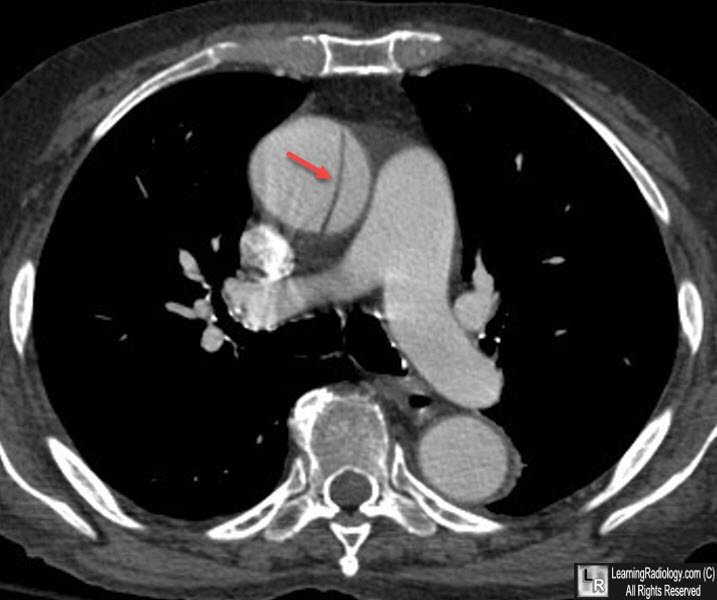 Aortic dissection (Stanford Type A)
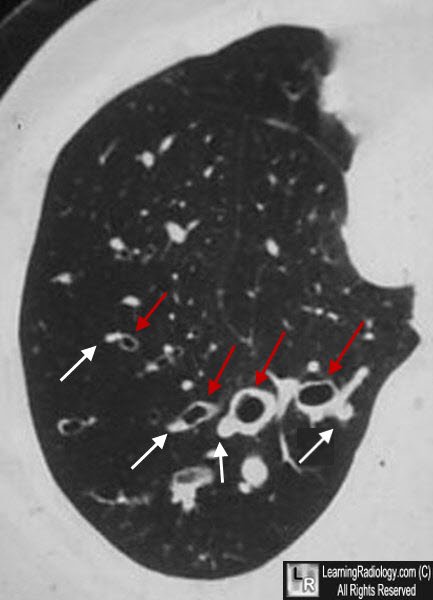 Bronchiectasis (signet ring sign)
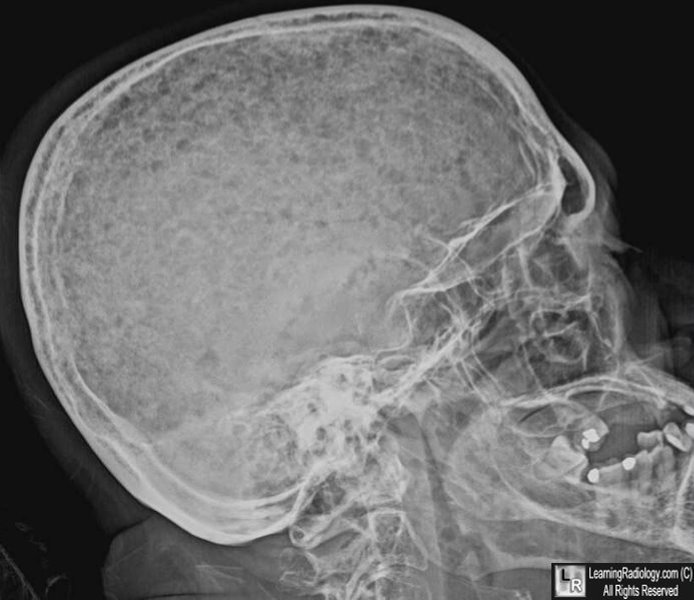 Multiple myeloma (skull lytic lesions)
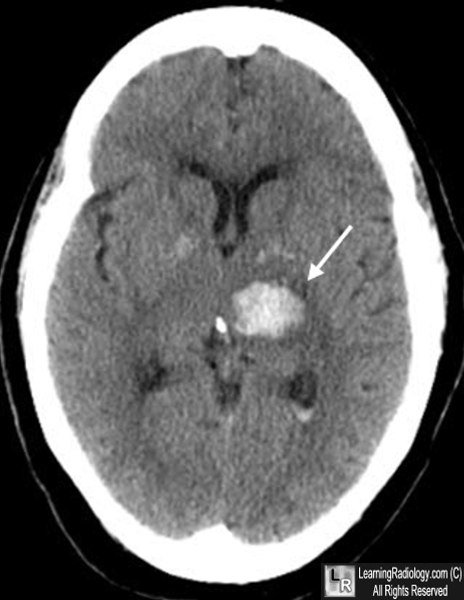 Haemorrhagic stroke (intracerebral haemorrhage)
How candidates prepare for the RACP Adult Medicine Written
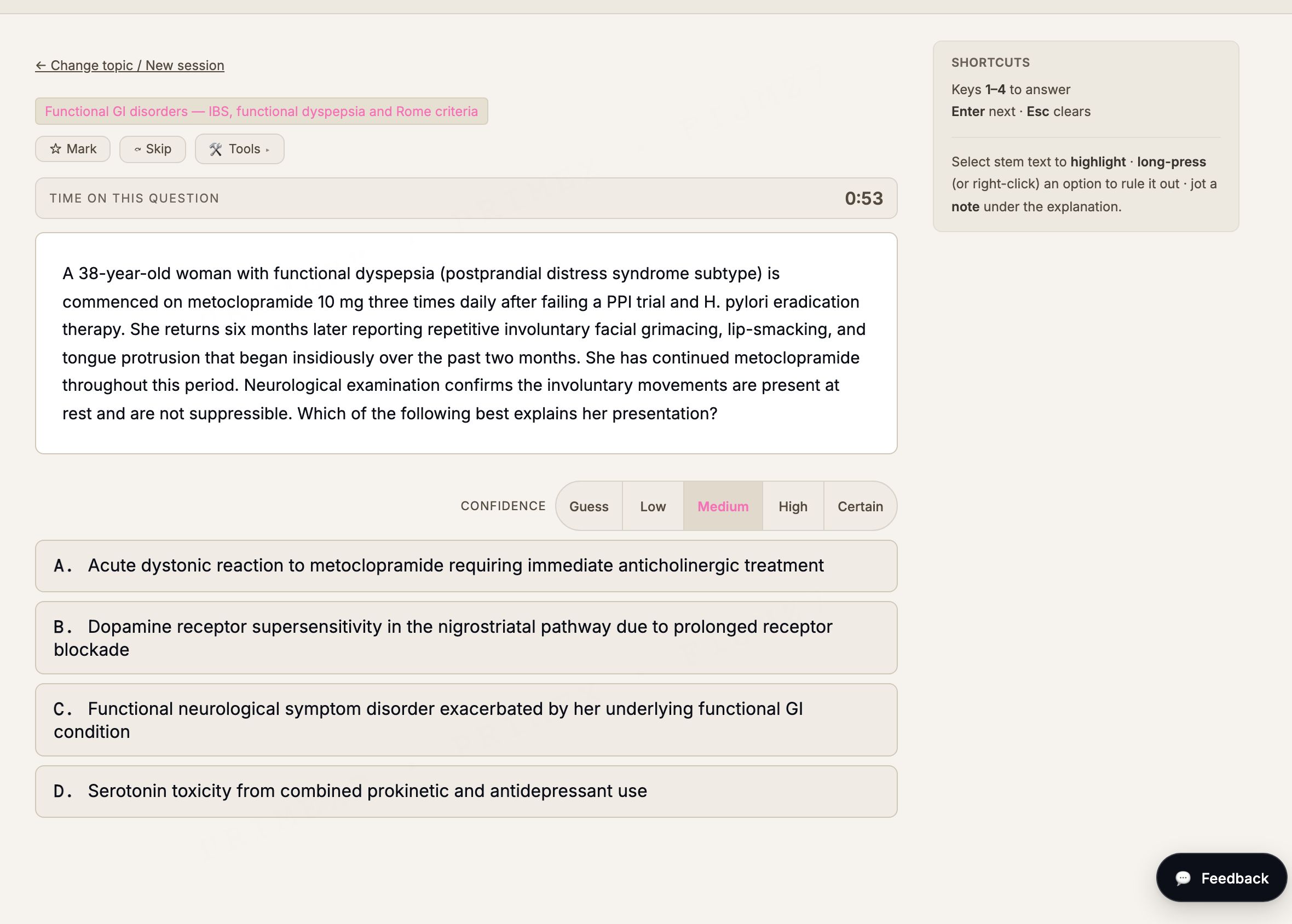
Exam-style single-best-answer MCQs across all 16 BPT disciplines, modelled on the RACP DWE format (two papers, 170 questions total, four-option SBAs and EMQs, paper-based at physical venues). Full explanations for every option. See how other candidates responded with community answer distributions after each question.
- DWE-format four-option SBA questions across all disciplines
- Explanation for every option, including the distractors
- Community answer distribution after each question
- AI-generated, curriculum-mapped, endless supply
- Timed mock mode: 170 questions in 3 hours
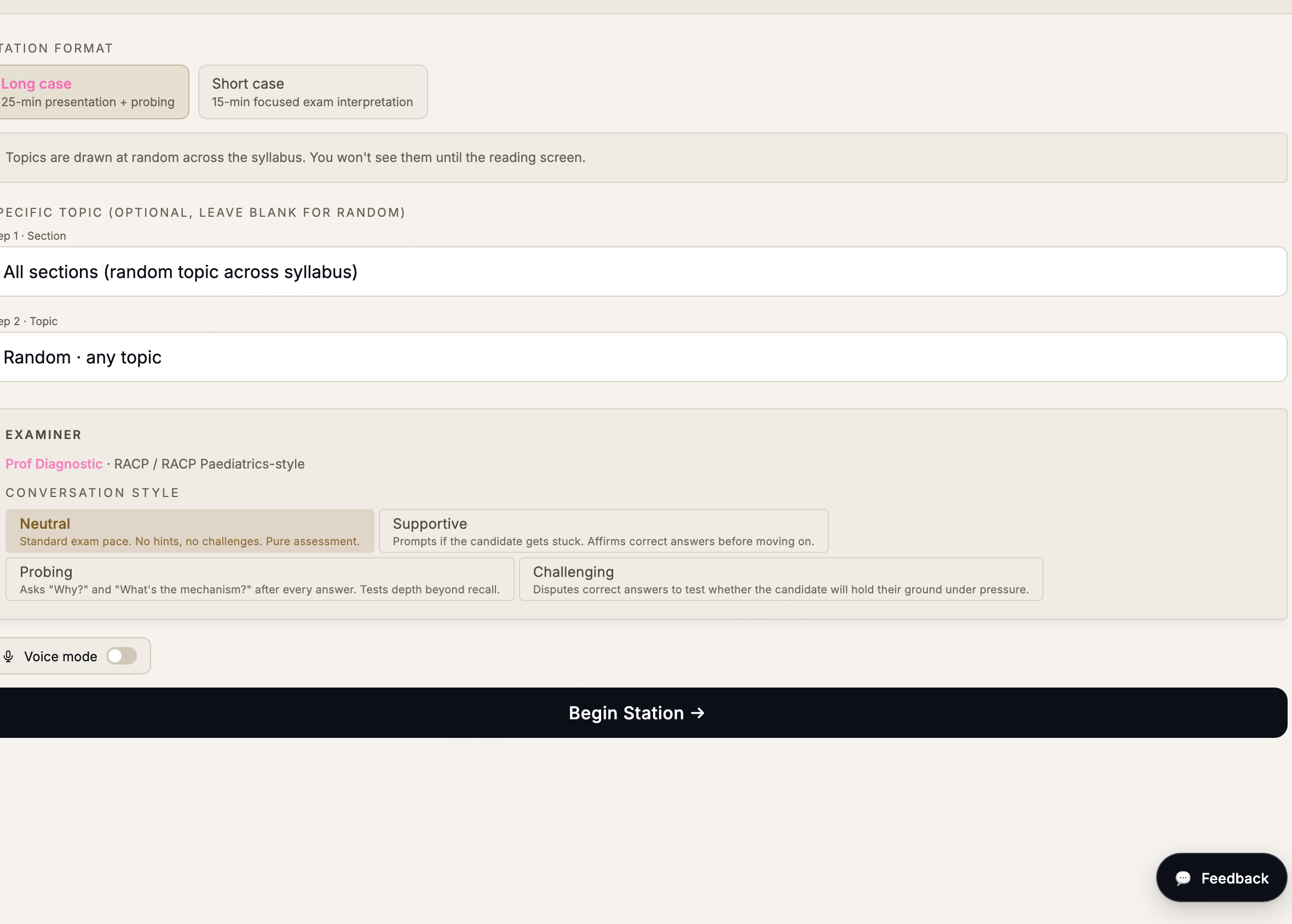
Simulates the BPT Divisional Clinical Examination: long case presentation (60 min with patient, then presenting to two consultant examiners) and short case interpretation. Voice mode transcribes spoken answers using medical speech recognition.
- Long case: present case summary, problem list, investigations, management
- Short case: interpret examination findings, construct differentials
- Voice mode: speak your answer, no typing needed
- Debrief with tier and specific learning points after each session
- Covers all 16 BPT disciplines including geriatrics and ID
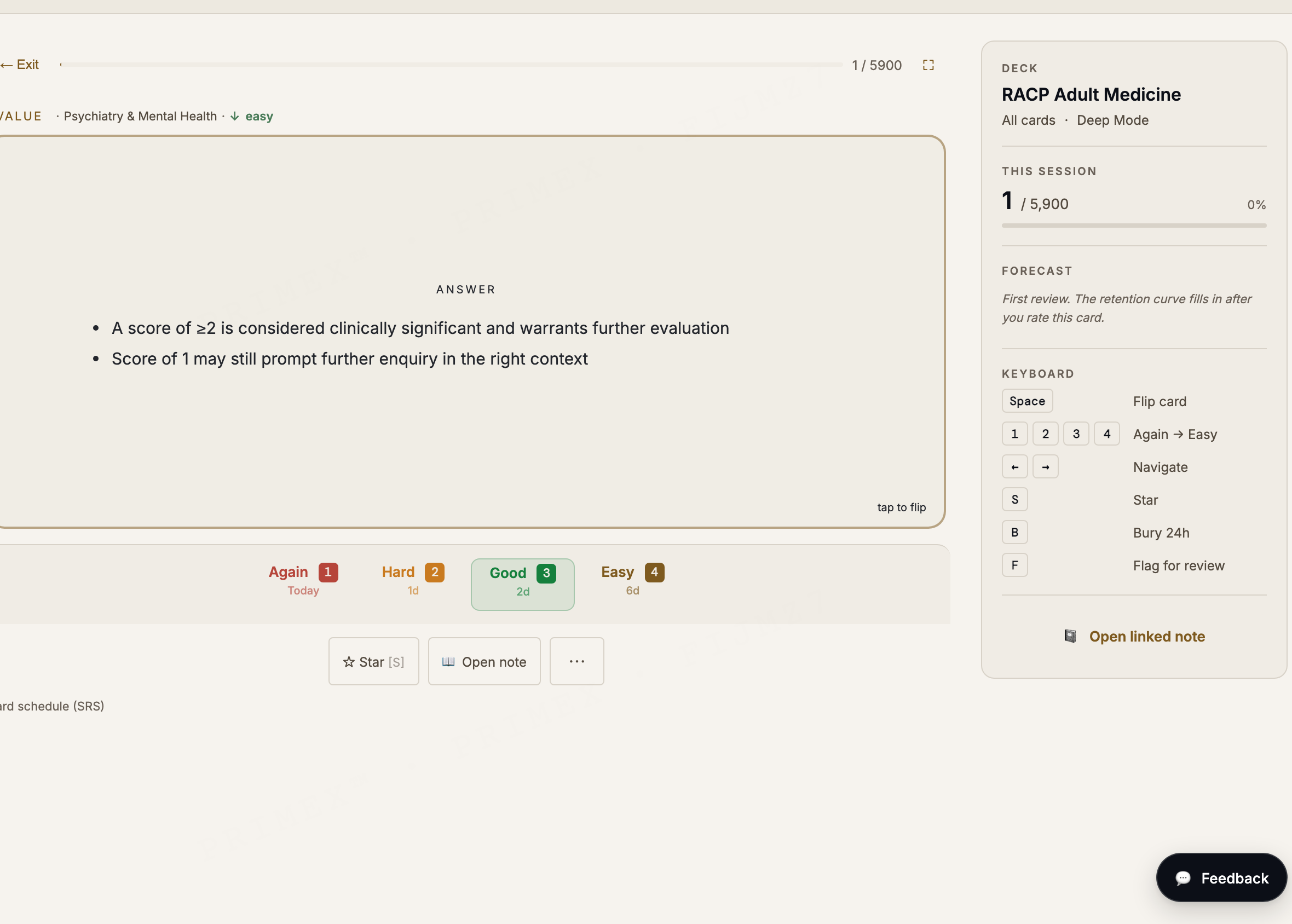
5,835 curriculum-mapped flashcards with spaced repetition across all 16 BPT internal medicine disciplines. Cards you get right come up less often; cards you miss come back sooner. Covers pathophysiology, scoring systems, drug mechanisms, and clinical vignettes.
- Spaced repetition: review what you're forgetting, not what you know
- Card types: pathophysiology, scoring systems, drug profiles, investigations
- Clinical vignette cards across cardiology, renal, neuro, and haematology
- MCQ drill mode for rapid-fire practice
- One click from card to full study note
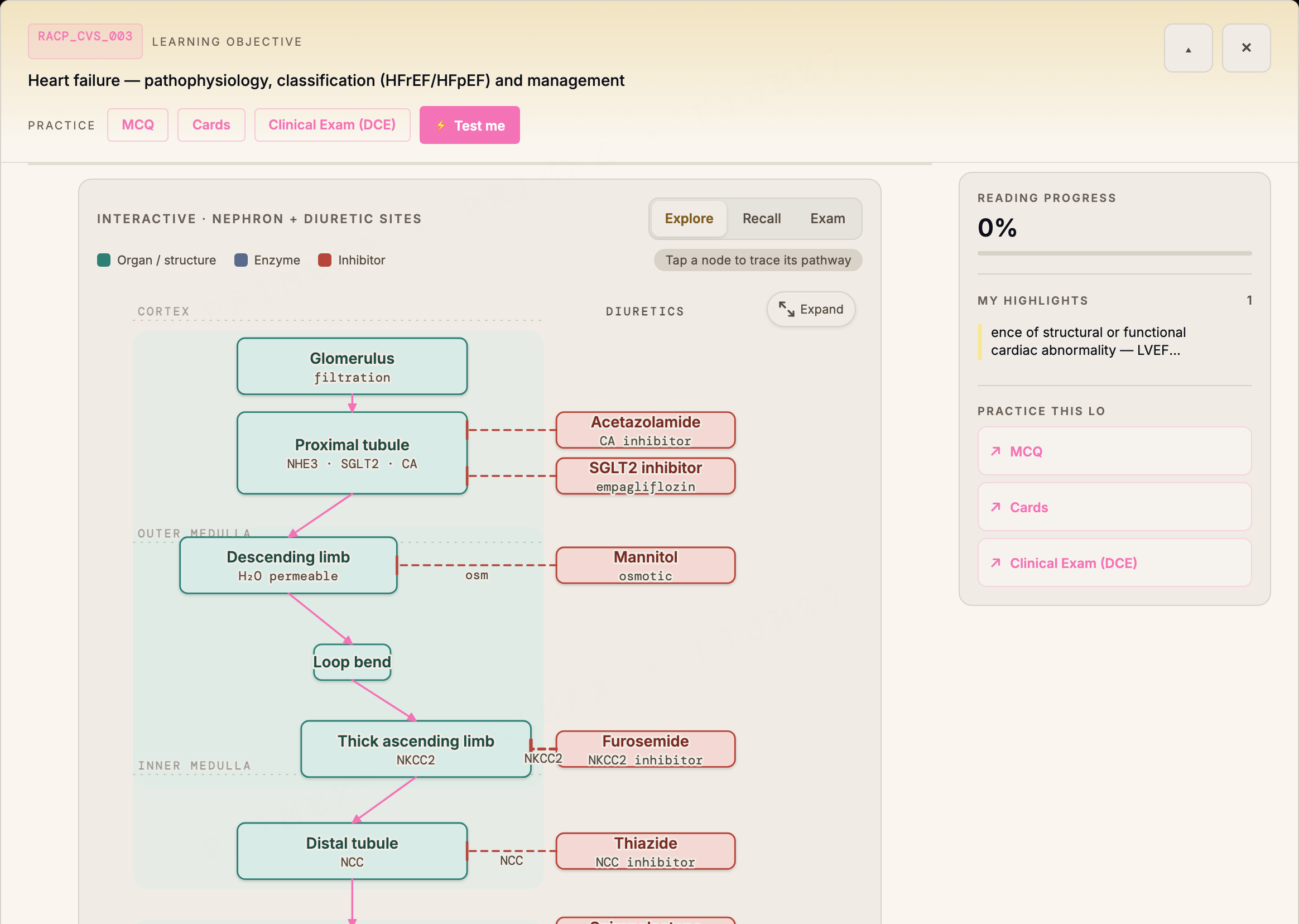
317 sourced study notes across the BPT curriculum, one for every covered learning objective. Written to a consistent seven-section format and referenced to Australian guidelines, RACP position statements, and primary literature. They surface automatically alongside MCQ explanations and case debriefs, so you read the note straight from the result.
- 317 study notes across all 16 disciplines, one per covered LO
- Consistent 7-section structure: scannable, not a wall of text
- Referenced to Therapeutic Guidelines (eTG), RACP position statements, and primary literature
- Full-text search across all notes
- Linked from MCQ explanations, case feedback, and flashcards
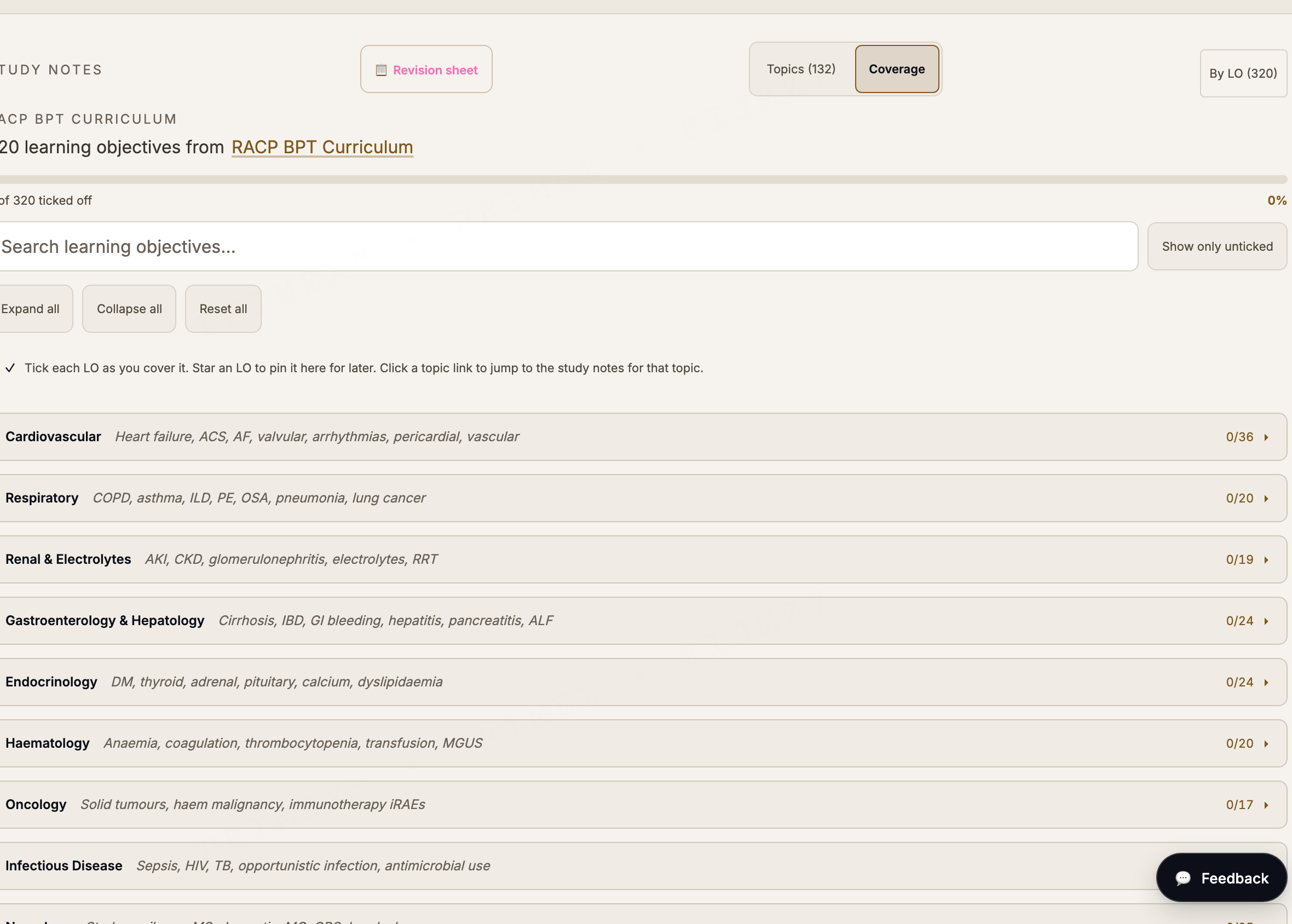
PRIMEX maps RACP Adult Medicine learning objectives to the study notes and flashcards that cover them. The Curriculum tab gives you a structured checklist; tick off objectives as you master them, track your progress by section, and click through directly to the relevant note.
- RACP Adult Medicine learning objectives mapped to every topic
- Checkbox completion persisted across sessions
- Click any LO to jump directly to the relevant study note
- Per-section and overall progress bars at a glance
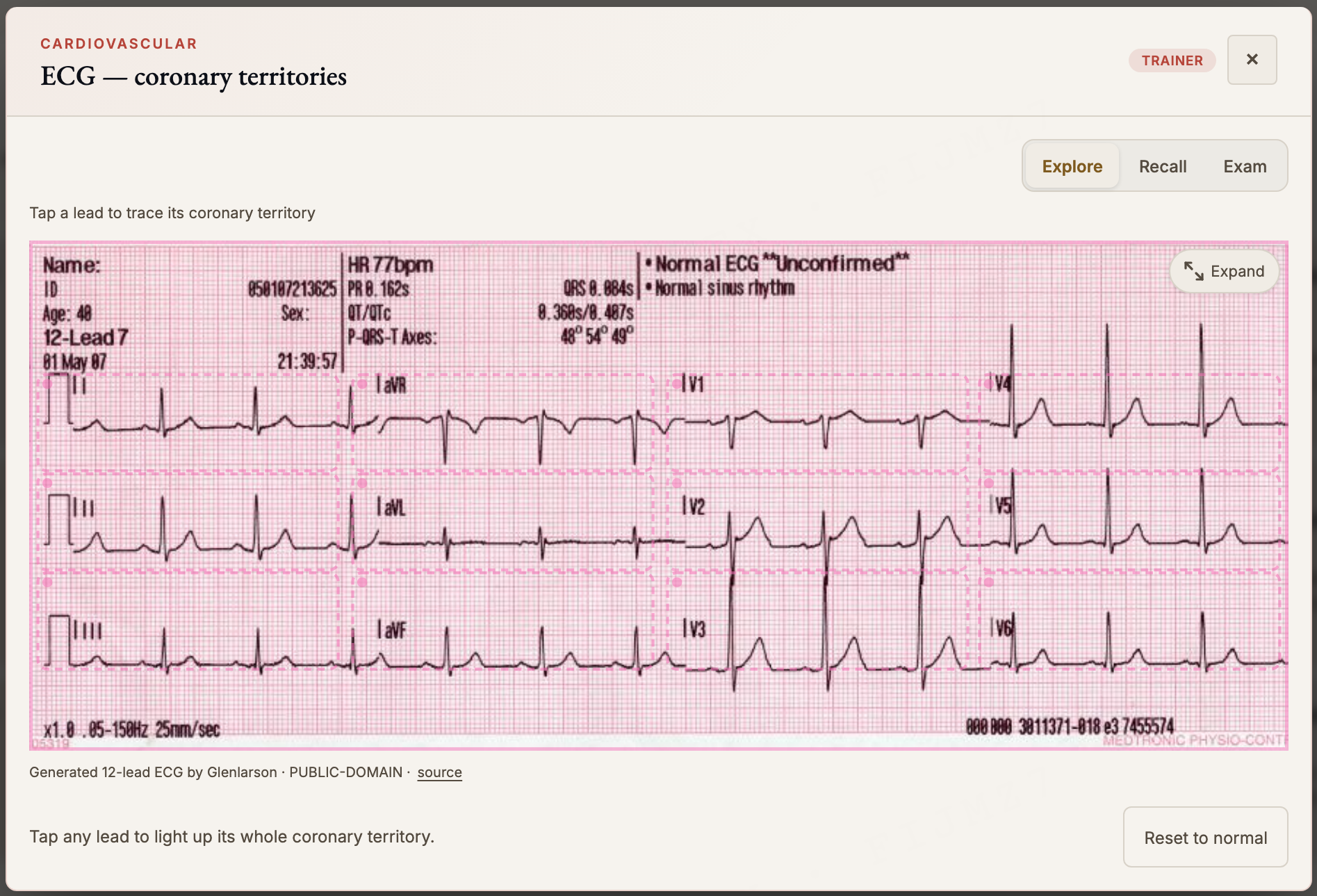
39 interactive diagrams across 12 systems, including 18 active-recall trainers with Explore, Recall, and Exam modes. Tap and drag the live model (12-lead ECG and coronary territories, ABG interpretation, flow-volume loops, shock haemodynamic profiles) and watch the values, waveforms, and interpretation update in real time.
- 39 diagrams spanning cardiology, respiratory, renal, neurology, and more
- 18 active-recall trainers: explore freely, then test yourself in Recall and Exam modes
- Live 12-lead ECG with tap-to-trace coronary territories
- Embedded directly in the matching study notes
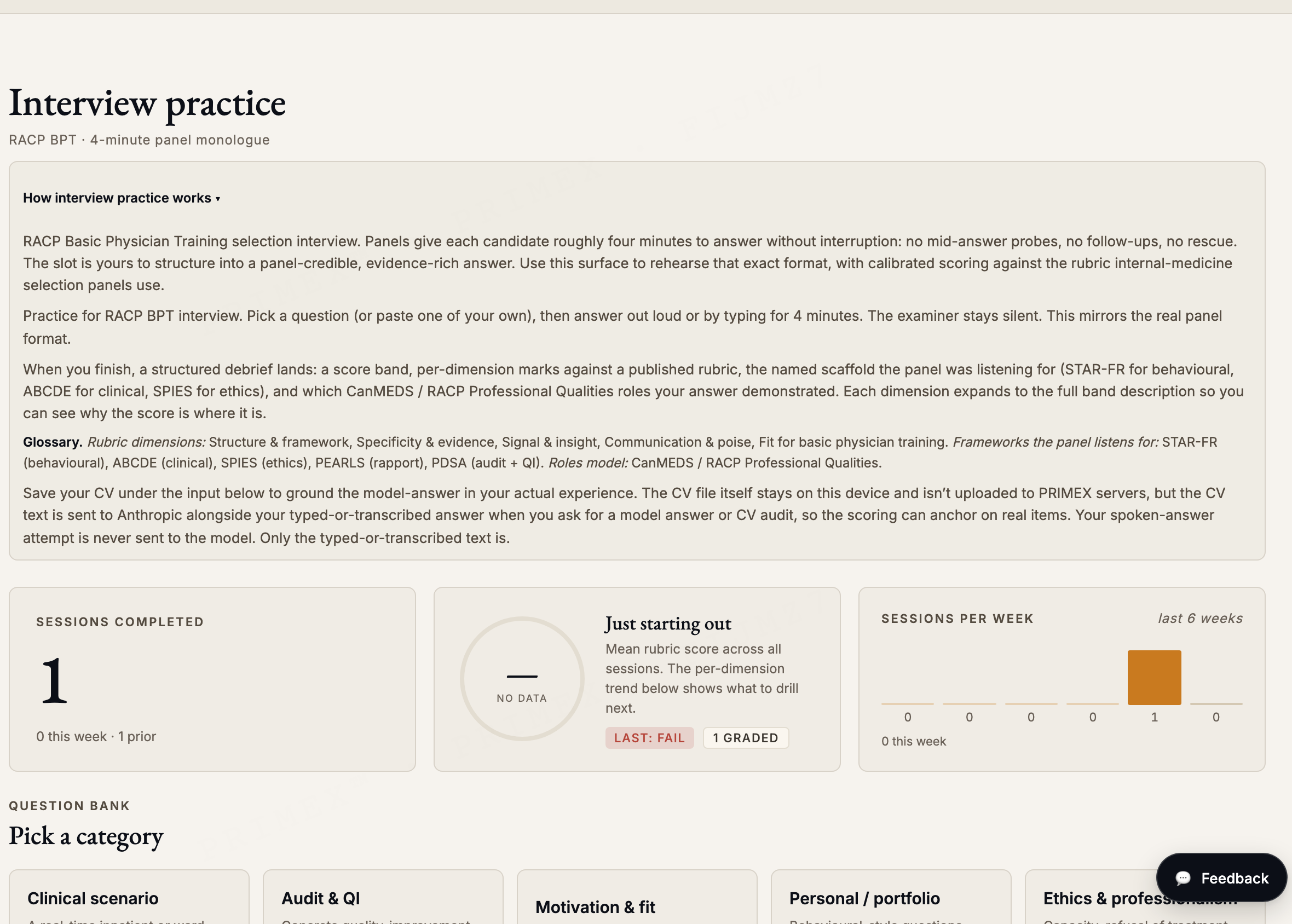
RACP Basic Physician Training selection panels give each candidate roughly four minutes to answer each question without interruption. No mid-answer probes, no rescue, no follow-ups. The slot is yours to fill with a structured, evidence-grounded answer. This surface replicates that exact format: one question, four minutes on a countdown, and a rubric-scored debrief after you signal you are done.
- Panel-monologue format: 4-minute uninterrupted answer per question, mirroring real RACP BPT selection panels
- Question bank covering motivation for medicine, clinical scenarios, teamwork and communication, ethics, audit and quality improvement, and self-reflection
- Structural frameworks prompted per question: STAR-FR for behavioural questions, SPIES for clinical-scenario reasoning, PEARLS for reflective answers
- Debrief scored across five rubric dimensions: structure, specificity, signal, communication, and fit for basic physician training
- CanMEDS roles lens: each debrief maps which of the seven RACP Professional Qualities roles the answer demonstrated, and which were thin
- Model answer hint showing what a top-band answer would have added, without prescribing a script
RACP Adult Medicine Written format and structure: DWE and DCE
The RACP Basic Physician Training Written Examination (DWE) is a two-paper MCQ exam assessing clinical knowledge across all internal medicine disciplines. Sitting the DWE is a requirement of BPT and must be passed before progressing to advanced training. The clinical examination (DCE) follows separately, assessing long case presentation and short case interpretation. RACP publishes per-sitting pass rates by component: the DWE Adult Medicine pass rate was 73.8% in February 2026 (73.9% Feb 2025, 81.1% Feb 2024), and the 2025 Adult Medicine DCE pass rate was 84.0%. PRIMEX is built by Dr Jay Marshall, an anaesthetics registrar in Taree, NSW.
- OrganiserRoyal Australasian College of Physicians (RACP)
- FormatDivisional Written Examination (two papers, 170 questions total, four-option SBAs and EMQs, paper-based at physical venues), followed by the Divisional Clinical Examination (2 long cases + 4 short cases)
- DisciplinesCardiology, Respiratory, GI/Hepatology, Renal, Endocrinology, Haematology/Oncology, Neurology, Rheumatology/Immunology, Infectious Disease, Dermatology, Geriatrics, Pharmacology, Clinical Reasoning
- SittingsTwice yearly, typically April and October
- Pass rateDWE Adult Medicine 73.8% (RACP, Feb 2026); rates vary by component and sitting. See past DWE results
Free notes are just the start.
Get 317 study notes, 5,835 spaced-repetition flashcards, unlimited question practice and the full exam simulator. Free for 7 days, then from A$44.99/month.
Start free trial, 7 days free Cancel anytime · no commitmentCommon questions about the RACP Adult Medicine Written exam
Specialist pricing and 7-day free trial
Specialist unlocks every PRIMEX exam track: the specialist pathways, AMC and Medical Student. Every study tool is included, with no per-feature paywalls.
- ✓ Every exam track: specialist pathways, AMC & Medical Student
- ✓ Flashcards with spaced repetition & MCQ drill
- ✓ Study notes for every curriculum topic
- ✓ Study plan with pace tracking
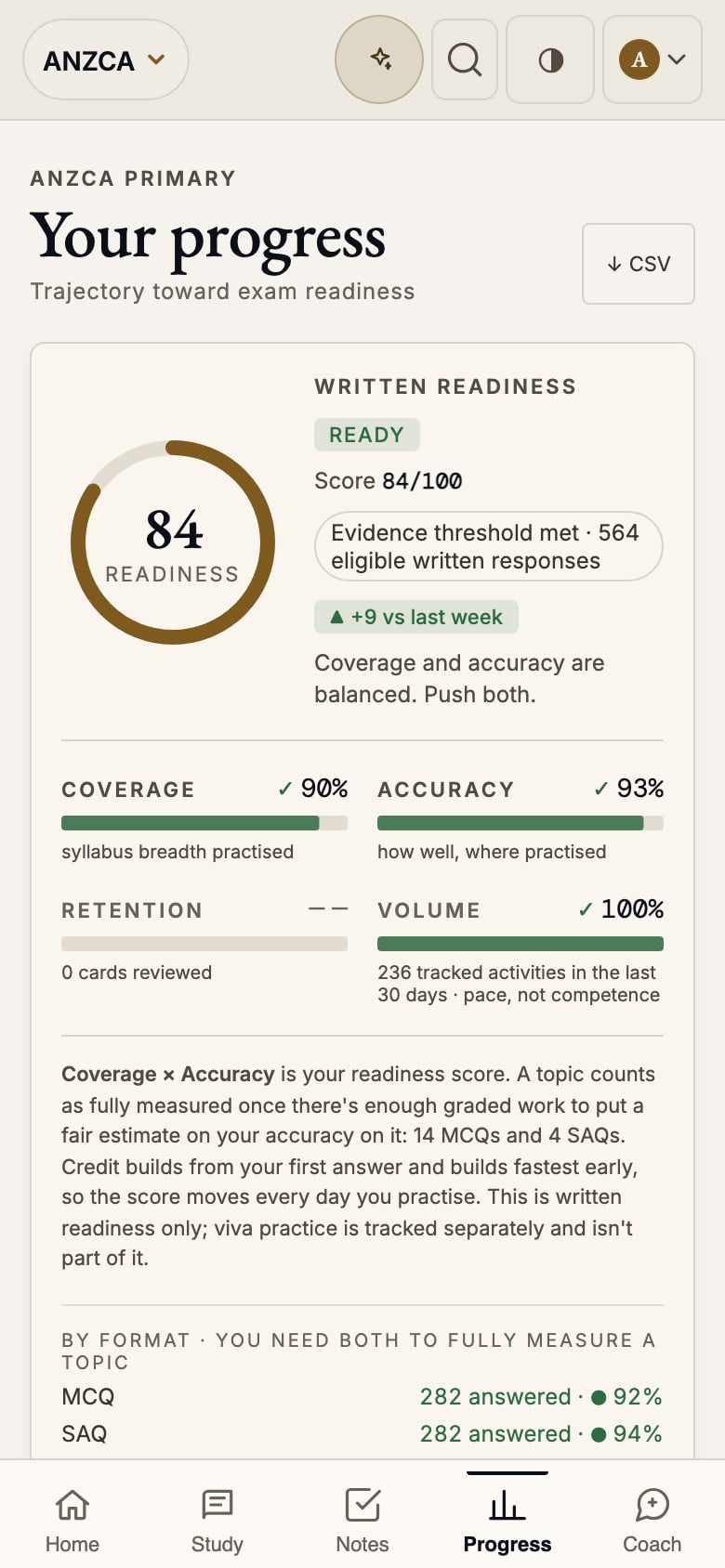
- ✓ Curriculum tracker & readiness insights
- ✓ Every exam track: specialist pathways, AMC & Medical Student
- ✓ Flashcards with spaced repetition & MCQ drill
- ✓ Study notes for every curriculum topic
- ✓ Study plan with pace tracking
- ✓ Curriculum tracker & readiness insights
- ✓ Every exam track: specialist pathways, AMC & Medical Student
- ✓ Flashcards with spaced repetition & MCQ drill
- ✓ Study notes for every curriculum topic
- ✓ Study plan with pace tracking
- ✓ Curriculum tracker & readiness insights
You'll land on a confirmation page. Tap the sign-up button (or sign in if you already have an account) and your subscription links automatically. If you close the page first, just use the same email when you sign up and it'll still link.